
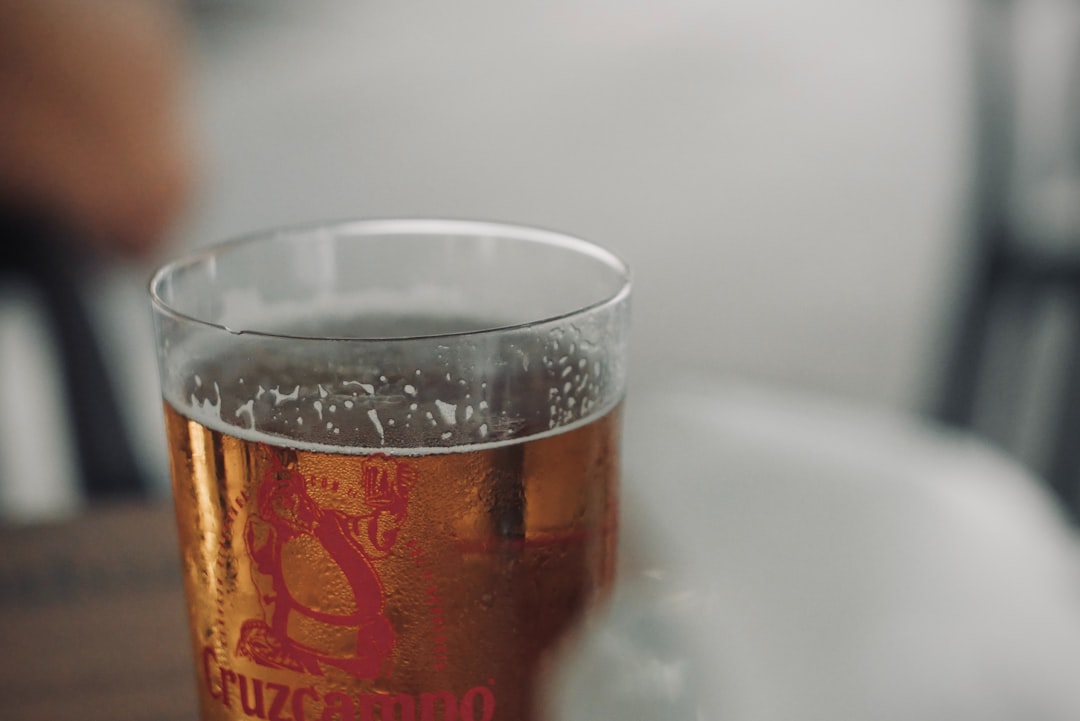
The best beer tasting methods help craft lovers uncover subtle aromas, assess mouthfeel, and appreciate how ingredients and brewing techniques shape every sip. Whether someone is just starting to explore IPAs, stouts, lagers, and saisons or runs tasting nights for friends, this guide walks through proven approaches, practical tips, and tasting formats that bring out the best in any beer. For those who shop for flights and unique bottles, retailers like Beer Republic make it easy to source a curated selection of American and Canadian craft beers to practice these methods at home or at a tasting event.
Why Use Structured Beer Tasting Methods?
Good beer tasting isn't about judging quickly or naming flavors at random. A structured method gives a reliable way to evaluate beer quality, compare styles, and train the palate. The benefits include:
- Clearer sensory vocabulary for describing aromas, flavors, and mouthfeel.
- Consistent results across tasters and sessions, useful for competitions or collecting notes.
- Better appreciation of brewing choices like hop schedules, yeast strains, and barrel-aging.
- Safer, more enjoyable tasting sessions—especially during comparative or blind tastings.
Core Elements of the Best Beer Tasting Methods
Most expert tasting approaches follow a similar flow. The classic five-step method—Look, Swirl, Smell, Sip, and Assess—keeps tasters focused and systematic. Each element matters:
1. Look: Visual Inspection
Appearance reveals clues about fermentation, carbonation, and ingredients. Important things to note:
- Color: Pale straw to deep black—color suggests malt profile and roasting.
- Clarity: Clear, hazy, or opaque—haze might be intentional (e.g., NEIPA) or signal yeast in suspension.
- Head: Retention, lacing, and bubble size indicate protein content and carbonation.
2. Swirl: Release Aromatics
Gently swirling releases volatile compounds without over-oxygenating the beer. This helps with the next step—smelling. Use a glass designed for aroma capture like a tulip or snifter for stronger beers; pilsner glasses work for crisp lagers.
3. Smell: Aroma Assessment
Aroma accounts for most perceived flavor. Break it down into layers:
- Top notes: Citrus, floral, fruity esters—the first impressions.
- Mid notes: Malty sweetness, caramel, biscuit.
- Base notes: Roast, chocolate, oak, or phenolic spice.
Use an aroma wheel or notebook to connect descriptors to what’s detected. With practice, tasters learn to identify hops, yeast esters, and fermentation byproducts.
4. Sip: The Tasting Technique
Take a medium-sized sip and let the beer coat the mouth. Proper tasting encourages:
- Air introduction—draw a small breath while the beer is in the mouth to aerate and release aromas.
- Note sequence—recognize initial flavor bursts, mid-palate transitions, and finish.
- Texture awareness—light, creamy, oily, effervescent?
Pay attention to balance: sweetness vs. bitterness, malt vs. hop character, and whether any single element dominates inappropriately.
5. Assess: Post-Sip Evaluation
Evaluate these aspects:
- Finish: Short, lingering, dry, or sweet?
- Aftertaste: Any off-notes—metallic, medicinal, or skunky?
- Drinkability: Does the beer invite another sip?
- Overall impression: Does it reflect its style? Is it exceptional, flawed, or just average?
Essential Tools and Glassware
Having decent gear elevates results. The best beer tasting methods pair with the right tools:
- Glasses: A set of tulips, snifters, and nonic or shaker pints covers most styles. For flights, use identical small tulips or tasting glasses to avoid bias by shape.
- Spittoons or buckets: Especially for longer tastings, they prevent intoxication while preserving facial acuity.
- Notebook or tasting sheets: Record specifics—ABV, color, aroma, mouthfeel, and score.
- Water and neutral snacks: Bread or plain crackers and water cleanse the palate between samples.
- Thermometer: Serving temperature affects perception—especially for lagers and darker beers.
Serving Temperature and Pouring: Small Details That Matter
Temperature profoundly affects aroma volatility and bitterness perception. Recommended ranges:
- Light lagers and pilsners: 35–45°F (2–7°C)
- Wheat beers and pale ales: 45–50°F (7–10°C)
- IPAs and amber ales: 45–55°F (7–13°C)
- Stouts, porters, and barleywines: 50–55°F (10–13°C)
Pour with a steady stream to create an appropriate head—about one to two fingers for most beers—then allow beer to rest a moment to let CO2 and aromatics equilibrate.
Scoring Systems and Descriptive Language
For consistent evaluation, use a scoring template. Common frameworks include BJCP-style descriptors, a numerical 1–100 scale, or simpler 1–5 categories like Appearance, Aroma, Taste, Mouthfeel, and Overall Impression.
- Example 20-point mini-scale: 3 pts Appearance, 5 pts Aroma, 7 pts Taste, 3 pts Mouthfeel, 2 pts Overall.
- BJCP-style: Useful for competition-level detail—includes style-specific expectations.
Develop a personal lexicon. Instead of generic terms like “tasty,” use targeted descriptors: pine resin, tangerine zest, biscuity malt, chewy body, or roasty cocoa. An aroma wheel helps translate sensations into words.
Tasting Formats: Which One Suits the Occasion?
Different tasting methods serve different goals. Here are the most useful formats and how to run them.
1. Flights (Comparative Tasting)
Flights are the most common format for exploring styles or breweries. Arrange 3–6 samples by theme: hop-forward, malt-forward, age, or brewery lineup. Use increasing intensity order so lighter beers don’t get overshadowed.
- Example flight: Session pale ale → American IPA → Double IPA → NEIPA → West Coast IPA.
- Label each sample and provide a tasting sheet so tasters can take notes blind or open.
2. Vertical Tasting
A vertical tasting samples successive vintages or years of the same beer to observe aging effects. Barrel-aged stouts and barleywines work particularly well. Note changes in oxidation, sugar, fruitiness, and integration with oak.
3. Horizontal Tasting
A horizontal tasting compares different breweries’ versions of the same style and vintage. It’s ideal for understanding how recipe and process create variety within a style (e.g., New England IPA vs. West Coast IPA).
4. Blind Tasting
Blind tastings reduce bias from label, reputation, or price. Use opaque sleeves or numbered cups and have an impartial host handle the pours. Blind methods are great for training palates and verifying style recognition skills.
5. Themed or Food Pairing Tasting
Pair beers with small bites or prepare a multi-course tasting menu. Themed tastings—like smoked beers or hop-forward beers paired with spicy food—highlight how beer interacts with flavors and texture.
How to Host a Successful Tasting Event
Hosting a tasting requires planning to create a smooth flow and memorable experience.
Pre-Event Planning
- Choose a clear theme and select beers accordingly. Beer Republic’s curated collections can simplify sourcing.
- Decide on session length—usually 60–90 minutes for a 4–6 beer flight.
- Create tasting sheets and vocabulary lists for guests.
- Confirm logistical needs: seating, glasses, spittoons, water, and palate cleansers.
During the Event
- Start with a brief intro to the format and a note on responsible drinking.
- Pour small samples (2–3 oz) to preserve clarity of evaluation and reduce intoxication.
- Encourage discussion but allow quiet time for smelling and tasting.
- Use blind rounds to spark debate and test assumptions.
After the Event
Share tasting notes and scores digitally. Many hosts assemble summary sheets showing the consensus ranking, tasting descriptors, and recommended buy links—an area where Beer Republic can provide value by linking attendees directly to recommended bottles or flight packs on its site.
Sensory Training: Building a Better Palate
The most effective way to become a better taster is deliberate practice. These exercises sharpen recognition skills:
- Aroma kit training: Use kits with concentrated scent vials (citrus, pine, caramel, roast) to build an internal library.
- Single-note tastings: Taste isolated malts, hops, and yeast-driven beers to link flavors to ingredients.
- Repeat exposure: Revisit the same beer at different temperatures or over weeks to notice evolving nuances.
Keeping a tasting journal—digital or paper—builds a personal reference. Over time patterns emerge: which breweries emphasize hops, who uses adjuncts heavily, and which yeast strains produce certain esters.
Understanding Off-Flavors and Quality Issues
Part of the best beer tasting methods is being able to spot flaws. Some common off-flavors include:
- Oxidation (cardboard): Stale, papery notes often from old stock or poor storage.
- Skunky: Caused by light exposure—common in clear or green bottles.
- Diacetyl (buttery): A byproduct of some fermentations; acceptable in small amounts in butterscotch-focused styles but a flaw in most others.
- Acetaldehyde (green apple): Indicative of immature beer.
- Infection (sour, barnyard): Spoilage organisms can produce unexpected sour or phenolic notes; sometimes desirable in traditional sour styles, but not in others.
Identifying off-flavors helps homebrewers troubleshoot and helps consumers assess bottle condition before buying more.
Food Pairing Principles for Tastier Matches
Beer pairs with food beautifully when the two elements balance, contrast, or mirror each other. Pairing principles include:
- Match intensity: Big beers (barleywine, imperial stout) pair with rich dishes; delicate lagers go with lighter fare.
- Use contrast: Hoppy bitterness cuts through fatty foods; acidity in beer balances greasy or fried textures.
- Consider sweetness: Sweet desserts can match malty beers or high-alcohol styles to prevent cloying.
Simple pairings to try:
- American IPA with spicy buffalo wings—hops temper heat and fat.
- Chocolate stout with dark chocolate dessert—mirror the roast and sweetness.
- Pilsner with oysters—clean crispness and minerality enhance briny flavors.
Palate Cleansers and Serving Sequence
Ordering is important. In multi-beer sessions, sequence beers from lowest to highest intensity; alternatively, group by style family (all pale ales, then ambers). Palate cleansers help reset between samples:
- Plain water (room temperature).
- Unsalted crackers or plain baguette slices.
- Green apple slices—oxygens volatile aroma compounds and refreshes the palate.
Advanced Methods: Beyond the Basics
For experienced tasters, deeper approaches reveal complex character:
1. Gas Chromatography and Lab Analysis
Used by professional labs and breweries to quantify aroma compounds and off-flavors. Not practical for home use but informative when understanding fault origins.
2. Paired Blind Trials
Compare beer with and without a single variable—same beer aged, dry-hopped, or in different barrels. This isolates the effect of that technique on aroma and flavor.
3. Cellaring and Time-Based Evaluation
Track how a beer develops over months or years. High ABV, low-hop beers like imperial stouts and barleywines often improve with age; hop-forward IPAs generally decline.
Common Mistakes and How to Avoid Them
- Sampling too much: Leads to dulled senses and poor judgment—use small pours and spit if needed.
- Wrong glassware: Using mismatched glasses can disguise aromas and influence perception.
- Cold beers when warm is better: Don't taste complex stouts or barleywines too cold; warming reveals flavors.
- Strong scents nearby: Perfume, cooking smells, or scented candles interfere—pick a neutral environment.
Using Beer Republic to Practice the Best Beer Tasting Methods
Beer Republic’s wide selection of American and Canadian craft beers makes it easy for tasters to assemble targeted flights or explore specific styles. A few practical ways the store adds value:
- Curated Collections: Themed packs—like IPA samplers, stout collections, or limited-release flights—save time and ensure variety for comparative tastings.
- Fast Shipping: Quick delivery is handy when organizing last-minute tastings or replacing bottles after a flawed sample.
- Style Filters and Descriptions: Filters and tasting notes help tasters pick beers that demonstrate certain characteristics (e.g., hop-forward, barrel-aged, bottle-conditioned).
Hosts can use Beer Republic to assemble balanced flight boxes—one source for sessionable pale ales, behind-the-scenes barrel-aged stouts, or regional brewery roundups for a horizontal tasting.
"A great tasting night is part science, part hospitality—good beer, clear method, and an atmosphere where curiosity beats pretension."
Practical Example: Running a 5-Beer IPA Comparison
Here’s a sample plan using the best beer tasting methods that a group of friends could run in about 90 minutes.
- Select five IPAs varying by substyle: Session IPA, American IPA, NEIPA, Double IPA, and West Coast IPA. Order them from lightest to strongest.
- Pour 2–3 oz per person into identical tulip glasses, labeled only with numbers for a semi-blind setup.
- Start with appearance and aroma for each sample. Encourage descriptors like citrus, resinous, tropical, dank.
- Sip each, using palate cleansers between samples. Note bitterness (IBU perception), malt backbone, and hop flavor persistence.
- Reveal labels and scores at the end. Discuss which brewery interpretations of IPA resonate and why.
Legal and Safety Considerations
Tasting responsibly protects everyone’s experience. Keep these rules in mind:
- Confirm all participants are of legal drinking age.
- Provide non-alcoholic options for drivers and designated sober hosts.
- Encourage spit buckets for long sessions to avoid overconsumption.
- Transport and store beers according to local laws and safety guidelines.
Summary: Bringing the Best Beer Tasting Methods Into Practice
The best beer tasting methods combine structure, sensory training, and a bit of hospitality. By following a clear tasting sequence—look, swirl, smell, sip, and assess—using the right glassware and serving temperatures, and choosing thoughtful tasting formats, both novices and experienced tasters can deepen their appreciation for craft beer. Practical tools like tasting sheets, aroma wheels, and curated packs from outlets such as Beer Republic streamline the process and make it easier to explore new styles. With deliberate practice and a focus on descriptive language instead of guesswork, anyone can become a more confident, observant, and thoughtful beer taster.
Frequently Asked Questions
What is the best order to taste beers?
Start with lighter, lower-ABV and less bitter beers, then progress to stronger, hoppier, or more intensely flavored styles. This prevents high-intensity samples from masking subtler beers.
How much beer should be poured for a tasting?
For typical tasting flights, 2–3 ounces per beer is sufficient. Small pours preserve palate sensitivity and reduce intoxication risk while still providing enough volume to assess aroma, taste, and mouthfeel.
Can non-experts learn to identify flavors accurately?
Yes. With guided practice using aroma kits, single-note tastings, and repeated exposure, most people can significantly improve their ability to detect and name flavors. Keeping a tasting journal accelerates learning.
Are certain glasses better for specific beer styles?
Certain shapes enhance specific beers—tulip and snifter glasses focus and concentrate aromas for strong ales and stouts, while pilsner glasses highlight clarity and carbonation for lagers. Matching glassware to style improves sensory perception.
How does temperature affect tasting?
Temperature changes volatility of aroma compounds and perception of bitterness and sweetness. Serving beers within recommended temperature ranges helps tasters experience the intended flavor balance and aroma profile.
