
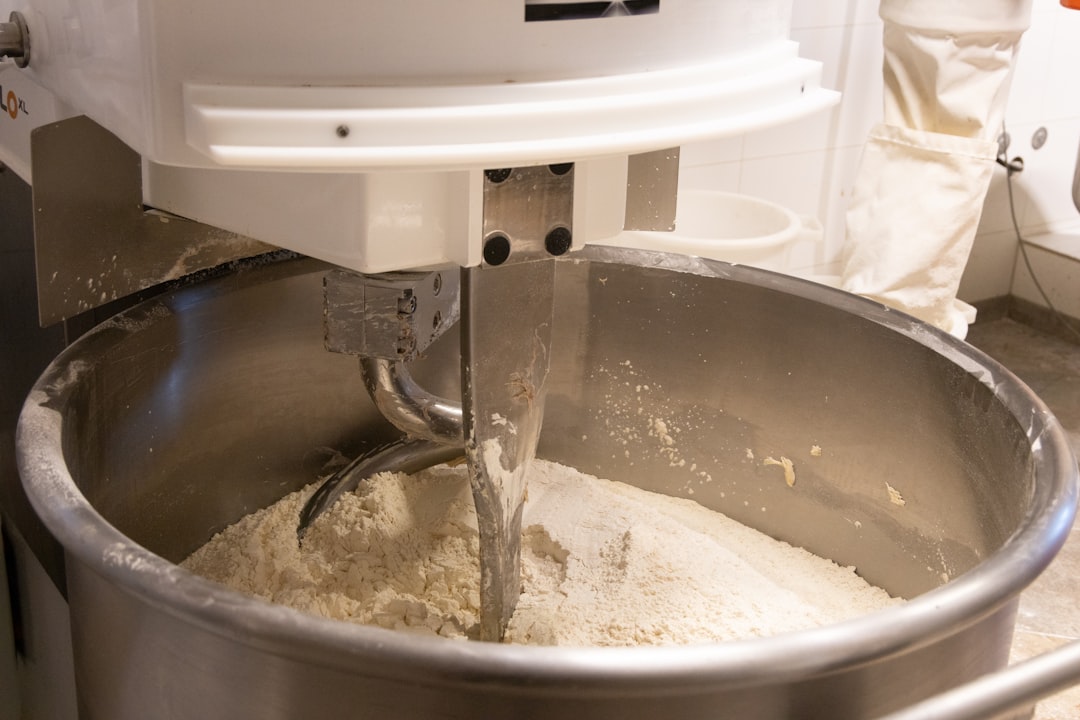
From the first crush of malt to the satisfying pour into a chilled glass, the brewing process steps shape every drop of beer. For craft beer lovers curious about where flavor, aroma, and mouthfeel come from, tracing these steps reveals the science and craft behind familiar styles like IPAs, stouts, lagers, and sours. This guide walks through each stage—ingredients, the core brewing steps, fermentation, conditioning, and packaging—while sharing practical tips, common pitfalls, and ways enthusiasts can taste what each step contributes to the finished beer.
Why Knowing the Brewing Process Steps Matters
Understanding the brewing process steps does more than satisfy curiosity. It helps drinkers appreciate flavor decisions, enables homebrewers to improve their batches, and equips shoppers to pick beers that match their tastes. When a hoppy West Coast IPA hits with resinous pine and citrus, that's the result of specific hop additions and fermentation choices; when a stout feels silky and roasty, that's malt, mash temperature, and yeast doing the heavy lifting. For customers at places like Beer Republic, recognizing these differences makes exploring a vast selection of American and Canadian craft beers more rewarding.
Core Ingredients and Their Roles
Every brewing process begins with four fundamental ingredients. A fifth—adjuncts or additives—shows up when brewers want to tweak flavor, body, or color.
Water
Water makes up most of the beer. Its mineral content influences mash chemistry and hop perception. Soft water highlights malt sweetness and delicate hop aroma, while hard water can emphasize hop bitterness. Brewers often adjust water—adding gypsum, calcium chloride, or lactic acid—to suit particular styles.
Malt
Malt (usually malted barley) provides fermentable sugars, color, and base flavors: biscuity, bready, caramel, or roasty depending on the grain. Specialty malts like crystal, chocolate, and roasted barley add depth for amber ales, stouts, and porters.
Hops
Hops contribute bitterness, flavor, and aroma. Bittering hops, added early in the boil, balance malt sweetness. Late additions and dry hops deliver hop flavor and aromatic oils that define IPAs and hop-forward ales.
Yeast
Yeast metabolizes sugars into alcohol and CO2 and generates esters and phenols that shape a beer’s aroma and profile. Ale yeasts ferment warmer and produce fruitier esters; lager yeasts ferment cooler and yield cleaner, crisper flavors.
Adjuncts and Additives
Adjuncts—corn, rice, oats, lactose, fruit, spices—modify body, head retention, and flavor. Oats and wheat add creaminess to hazy IPAs and stouts; lactose adds sweetness to milk stouts; fruit and spices appear in saisons and sours.
The Brewing Process Steps: Step-by-Step
Below is a practical map of a typical all-grain brew day. Homebrewers and commercial brewers share these steps, though scale and equipment differ.
- Milling
- Mashing
- Lautering and Sparging
- Boiling
- Whirlpool and Trub Separation
- Cooling
- Oxygenation
- Fermentation
- Conditioning and Maturation
- Clarification and Finishing
- Packaging
The malted barley is milled or crushed to crack the kernels and expose the starchy endosperm while keeping the husks largely intact. Proper crush size affects how well water can extract sugars during mashing and how quickly lautering runs.
Mashing mixes milled grain with hot water to activate enzymes that convert starches into fermentable sugars. Mash temperature profiles determine fermentability and body: lower temps (148–152°F / 64–67°C) yield more fermentable wort and drier beers; higher temps (153–158°F / 67–70°C) produce fuller-bodied beers with more residual sweetness.
Lautering separates liquid wort from spent grains. The wort drains through the grain bed, which acts as a filter. Sparging follows—rinsing the grains with hot water (around 170°F / 77°C) to extract remaining sugars. Efficient lautering maximizes yield and minimizes tannin extraction.
The wort boils—usually for 60 to 90 minutes. Boiling sterilizes the wort, halts enzymatic activity, causes proteins to coagulate (hot break), and allows hop additions at timed intervals: early for bitterness, middle for flavor, late for aroma. Boiling also concentrates the wort through evaporation.
After the boil, the wort is often swirled (whirlpooled) to gather solids—protein and hop particles—into a cone called the trub. This helps produce clearer wort for fermentation.
Cooling the wort quickly to yeast-pitching temperature (varies by yeast strain) minimizes contamination risk and helps with cold break formation—additional protein precipitation. Commercial brewers use plate chillers or heat exchangers; homebrewers may use immersion chillers or simple coolers.
Before pitching yeast, oxygen is either injected or introduced by vigorous shaking. Yeast needs dissolved oxygen for healthy cell growth during early fermentation.
Yeast is added (pitched) to the cooled wort. Primary fermentation generates most of the alcohol and CO2 and lasts from a few days to a week for ales, longer for lagers. Temperature control is crucial—too warm yields off-flavors; too cool slows fermentation and can stall it.
After primary fermentation, many beers undergo conditioning—time for flavors to mellow and for yeast to clean up by-products like diacetyl. Some beers are cold-conditioned (lagering) at low temperatures for weeks to months; others are bottle-conditioned with priming sugar to carbonate naturally.
Brewers may filter or fining agents to clarify beer, and perform final adjustments like dry hopping or adding fruit. Filtration and pasteurization (common in large-scale production) stabilize the beer for shipping and shelf life.
Finally, the beer is packaged into kegs, cans, or bottles. Proper carbonation level and packaging sanitation are essential to avoid oxidation and contamination.
Comparing Homebrew and Commercial Brewing
The brewing process steps are fundamentally the same at home and in breweries, but scale and technique differ.
- Commercial brewers have precise temperature control, large heat exchangers for rapid cooling, and automated systems for consistency.
- Homebrewers often make creative leaps—small batches make experimentation with hops, yeasts, and adjuncts cheap and easy.
- Materials matter: a commercial brewhouse can handle high-gravity beers at volume; a homebrew setup might struggle with big stouts unless steps like oxygenation and yeast pitching rates are adjusted.
Key Variables That Shape Flavor
Those brewing process steps are a framework, but subtle choices at each stage produce very different beers. Here are the variables that most affect flavor:
Mash Temperature and Schedule
A mash rest profile determines fermentability and body. A single infusion mash at 152°F will give moderate body; stepped mashes with protein rests or a higher final temperature produce more mouthfeel. A brewer making a creamy oatmeal stout might intentionally mash higher to keep residual dextrins.
Hop Timing and Quantity
Hop additions at 60 minutes provide bitterness; at 10–15 minutes they contribute flavor; at flameout or during whirlpool they add aroma; and dry hopping after fermentation boosts volatile aromatics. The same hop variety used at different times yields different impressions—citrus on later additions, pine/resin on earlier ones.
Yeast Strain and Fermentation Temperature
Yeast choice probably affects flavor more than any other single factor after malt and hops. A London ale yeast produces fruity esters; a California ale yeast yields a clean canvas for hops; lager yeast imparts subtle sulfuric and lager-typical notes when fermented cold. Temperature modulation can coax or suppress those characteristics.
Water Chemistry
It’s often overlooked, but water impacts perceived bitterness, hop crispness, and malt fullness. Brewers adjust water to suit styles—high sulfate accentuates hops, high chloride gives rounder maltiness.
Common Brewing Problems and Fixes
Even experienced brewers hit hiccups. Here are common issues and practical solutions.
- Stalled Fermentation: Check yeast viability, temperature, and oxygenation. Warm the fermenter a few degrees and gently stir to rouse yeast. Consider adding active yeast (a starter) if gravity remains stuck.
- Off-Flavors (e.g., diacetyl, acetaldehyde): These often come from stressed yeast or premature cold crashing. Allow enough time for yeast to clean up byproducts before packaging.
- Cloudy Beer: It may be yeast in suspension, chill haze, or protein/polyphenol complexes. Cold conditioning, filtration, or fining agents like gelatin can clarify beer.
- Excessive Bitterness: Review hop schedule and boil time; over-sparging or using high sulfate water can accentuate harsh bitterness.
- Infection: Maintain rigorous sanitation—boil, use Star San or similar, and avoid exposing cooled wort to air. Sour flavors, pellicle formation, or unexpected vinegar notes indicate contamination.
Brewing Variations: How Steps Shift by Style
Different beer styles require tweaks to the brewing process steps. Here are a few examples.
Ales (IPAs, Pale Ales)
Yeast: Ale yeast, fermenting warmer (65–72°F / 18–22°C). Hops: aggressive late and dry hopping for aroma. Mash: moderate temperature for balanced body. Fermentation: shorter primary, quick packaging to preserve hop aroma.
Lagers
Yeast: Lager yeast, fermenting cooler (45–55°F / 7–13°C) and requiring extended conditioning (lagering) at near-freezing temps for weeks. Clean profile: fewer esters and a crisp finish.
Stouts and Porters
Malt-forward: darker specialty malts and sometimes roasted barley. Mash: slightly higher temp for fuller body. Fermentation: ale yeast is typical, but robust stout character can come from both malt bill and extended conditioning.
Sours and Wild Ales
These deviate from orthodox steps: kettle souring uses lactobacillus before boiling; mixed fermentation adds Brettanomyces and bacteria. Sanitation and separate equipment are essential to avoid contaminating non-sour beers.
Practical Homebrew Example: A Simple IPA Brew Day
Here’s a condensed timeline showing how the brewing process steps map to a real brew day for a 5-gallon (19 L) American IPA.
- Mill grains: Crush 11 lb pale malt plus specialty malts.
- Mash: 152°F for 60 minutes.
- Lauter and sparge: Collect ~6.5 gallons pre-boil.
- Boil: 60 minutes. Hop additions—60 min (bittering), 15 min (flavor), 5 min (aroma), flameout (aroma).
- Whirlpool: 15 minutes, then chill to 68°F.
- Oxygenate and pitch yeast (ale strain). Maintain 68–70°F for primary fermentation.
- Dry hop on day 5–7 for 3–5 days.
- Cold crash and bottle or keg when final gravity is reached.
That routine can be adjusted—double dry hopping for extra aroma, use a water treatment to highlight specific hop notes, or tweak mash temps for mouthfeel.
Tips for Tasting to Learn What Each Step Does
To really internalize how brewing process steps change beer, tasting should be deliberate. Here are exercises enthusiasts can try:
- Compare two IPAs with different hop profiles—one West Coast (clean, bitter, pine/citrus) and one New England (juicy, soft, fruity). Notice how hopping schedule and yeast choices shape the experience.
- Try a pale ale and a lager brewed from similar malts. Observe differences in ester character and perceived dryness from fermentation temperature and yeast strain.
- Sample a bottle-conditioned ale versus a force-carbonated one. Natural conditioning often yields finer carbonation and subtle yeast-derived flavors.
Beer Republic’s curated collections make this easy—look for style-focused packs (like “Hoppy West Coast IPAs” or “Smooth Stouts”) to compare how breweries interpret the same style using different brewing process steps.
How Breweries Ensure Consistency and Quality
Commercial brewers combine science, instrumentation, and strict SOPs (standard operating procedures) to reproduce flavors batch after batch:
- Lab testing: Pitch rates, yeast health, gravity readings, and microbial testing are routine.
- Automated controls: Programmable systems precisely manage mash temperatures, boil times, and cooling rates.
- Water treatment and recipe standardization: Consistent water profiles and exact ingredient percentages eliminate variation.
- Packaging controls: CO2 levels, fill integrity, and oxygen pickup are monitored to prevent off-flavors and maintain shelf life.
These systems allow breweries to produce both consistent flagship beers and experimental small-batch runs that push boundaries.
Advanced Topics: Mash Chemistry, Diacetyl, and Cold Break
For readers who want to dig deeper into the science behind the brewing process steps:
Mash Chemistry
Enzymes—alpha and beta amylase—work best at certain temperatures and pH ranges. Alpha-amylase prefers higher temps and creates dextrins (unfermentable sugars that contribute body), while beta-amylase prefers lower temps and increases fermentability. Maintaining mash pH around 5.2–5.6 optimizes enzyme activity and reduces tannin extraction.
Diacetyl and Yeast Health
Diacetyl gives a buttery taste at inappropriate levels. Healthy yeast will reabsorb diacetyl during the fermentation’s tail. To avoid diacetyl issues, pitch adequate healthy yeast, oxygenate properly, and allow a diacetyl rest—raising the temperature slightly toward the end of fermentation.
Cold Break and Protein Stability
Rapid cooling causes proteins and tannins to coagulate into cold break, clarifying the wort and reducing haze. Extended cold conditioning helps settle these and improves shelf stability.
Brewing Safety and Sanitation
Brewing involves hot liquids, pressurized CO2, and biological agents. Safe practices include:
- Wearing gloves and eye protection when handling boiling wort or sanitizers.
- Using food-grade tubing and sanitizers (e.g., no-rinse acidic or peroxide-based sanitizers) to avoid contamination.
- Ensuring proper venting and relief when working with kegs and fermenters under pressure.
Sanitation is the single most important step to prevent infections that can ruin an entire batch—clean everything thoroughly, and sanitize surfaces that will contact wort.
From Brewing Knowledge to Better Beer Purchases
Knowing brewing process steps helps shoppers at Beer Republic—and other craft beer retailers—make smarter choices. Readers can:
- Identify beers likely to be hop-forward (look for late hopping, dry hopping, or NEIPA descriptors) versus malt-forward (stout, porter, amber ale).
- Choose lagers for crisp, clean sessions and ales for fruitier, hop-forward flavors.
- Spot experimental or limited-run bottles that might use unique adjuncts, barrel aging, or wild fermentations—great for tasting flights and comparison shopping.
Beer Republic’s filters and collections make it easy to pick beers by style, region, and flavor profile—perfect for anyone who wants to taste the outcome of different brewing process steps without making their own batch.
Final Thoughts
Understanding the brewing process steps transforms beer drinking into a more informed—and often more pleasurable—experience. Each stage, from milling through packaging, contributes to aroma, body, clarity, and stability. For craft beer fans, that knowledge sharpens tasting skills and helps when exploring new styles. For homebrewers, it guides repeatable, predictable improvements. And for shoppers at Beer Republic, it makes choosing among a wide selection of American and Canadian craft beers more fun: picking beers with predictable profiles or hunting for novel techniques and flavors becomes part of the enjoyment.
Whether one wants to brew a first IPA, compare a West Coast and a New England rendition, or just understand why a favorite stout feels so smooth, the brewing process steps form the blueprint. Cheers to learning—then tasting—the results.
Frequently Asked Questions
What is the most important step in the brewing process?
All steps matter, but sanitation and fermentation control are critical. Poor sanitation can ruin a batch, and uncontrolled fermentation (temperature swings, underpitching yeast) creates off-flavors that are hard to fix later.
How long does the brewing process take from start to finish?
It depends on style. A simple ale can be brewed, fermented, conditioned, and packaged in 2–4 weeks. Lagers and barrel-aged beers may take months. Sours and mixed-fermentation beers often require extended aging measured in months or years.
Can homebrewers replicate commercial beers exactly?
Replicating a commercial beer precisely is difficult because of differences in equipment, water profiles, and yeast strains. However, homebrewers can get very close by studying the brewing process steps, matching water chemistry, and using similar ingredients and yeast.
Why does mash temperature matter?
Mash temperature governs enzyme activity and therefore how fermentable the wort becomes. Lower mash temps create more fermentable wort and a drier beer; higher temps generate more body and residual sweetness.
What’s the difference between dry hopping and whirlpool hopping?
Whirlpool hopping adds aroma oils right after the boil when the wort is hot (but off the direct heat), extracting different compounds than dry hopping, which occurs in cold or cool beer and emphasizes volatile, delicate aromatics. Combining both can create a layered hop profile.
