
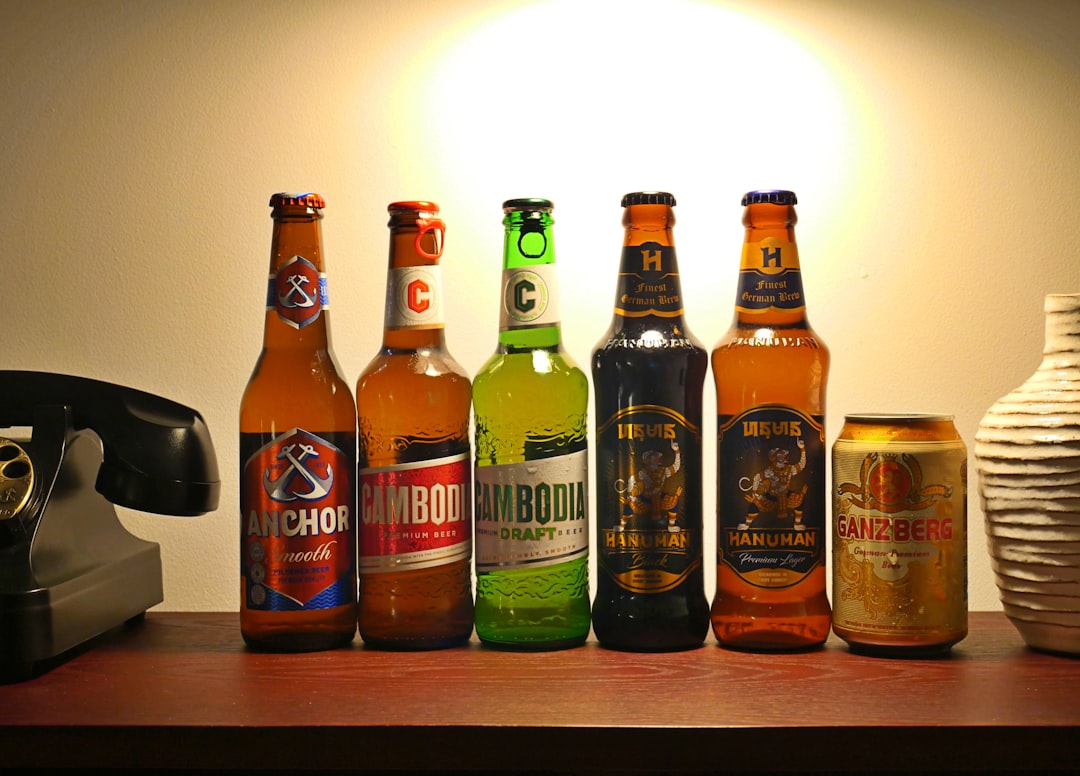
Different beer styles reflect centuries of brewing tradition, local ingredients, and creative experimentation. For craft beer lovers and curious newcomers alike, understanding those styles unlocks better tasting, smarter shopping, and more confident conversations at the bar. This guide breaks down the major categories, explains what makes each style distinctive, and offers tasting tips, food pairings, and practical advice for exploring new brews—whether readers are browsing a bottle shop or ordering from an online craft hub like Beer Republic.
Why Beer Styles Matter
Beer isn’t one-size-fits-all. The term beer styles describes flavor profiles, ingredients, and brewing techniques that create predictable experiences. Knowing the basics helps enthusiasts pick beers they’ll enjoy, spot interesting variations, and appreciate the skill behind a brewer’s choices. It also makes tasting more fun: recognizing why a beer tastes citrusy, roasty, sour, or creamy gives context to what’s in the glass.
Two Broad Categories: Ales and Lagers
Nearly every beer style falls into one of two fermentation families: ales and lagers. That distinction is about yeast and temperature rather than flavor alone, but it strongly influences aroma and taste.
Ales
Ales use top-fermenting yeast (Saccharomyces cerevisiae) and ferment at warmer temperatures. That yeast yields fruity and spicy esters and often creates more robust, complex flavors. Common ale styles include:
- Pale Ale — Balanced malt and hop character; easy to drink and widely accessible.
- India Pale Ale (IPA) — Hop-forward with citrus, pine, or dank resin notes; ranges from classic West Coast bitterness to the soft, juicy New England style.
- Amber/Red Ale — Malt-forward with caramel and toffee notes, moderate bitterness.
- Brown Ale — Nutty, bready, with light roast; approachable and sessionable.
- Porter and Stout — Dark, roasty, often with coffee, chocolate, or molasses flavors; stouts tend to be heavier and creamier.
- Saison — Farmhouse ale with peppery, fruity, and often slightly tart notes; very refreshing.
- Belgian Styles — Wide range including Tripel, Dubbel, and Saison, often featuring esters and phenols from unique yeast strains.
Lagers
Lagers use bottom-fermenting yeast (Saccharomyces pastorianus) and ferment at cooler temperatures. That creates cleaner, crisper profiles. Common lager styles include:
- Pilsner — Light-bodied, crisp, with floral or spicy hop notes; highly drinkable.
- Helles — German pale lager that's malt-forward and balanced.
- Vienna Lager — Amber color with toasted malt character and moderate hop presence.
- Märzen/Oktoberfest — Richer malt body and toasty flavors, often served in fall festivals.
- Dunkel — Dark lager with smooth roast and caramel notes.
Hop-Forward Styles: The Many Faces of IPAs
IPAs fueled the craft-beer renaissance in North America, and their diversity shows how hops can express different characters. Understanding the main IPA substyles helps readers know what to expect from aroma, flavor, and mouthfeel.
Classic/West Coast IPA
Expect assertive bitterness, clear malt backbone, and bright hop notes—citrus, pine, resin. These are often dry and highly aromatic.
New England IPA (NEIPA) / Hazy IPA
Cloudy appearance, soft mouthfeel, and juicy flavors of tropical fruit and orange. Bitterness is low compared to hop aroma and flavor intensity. NEIPAs often use late addition hops and dry hopping to boost aroma.
Double/Imperial IPA
Higher alcohol and amplified hop character. These beers balance robust malt sweetness against intense hop bitterness or flavor—sometimes boozy if poorly balanced.
Session IPA
Lower ABV but still hop-forward—designed for extended drinking sessions without overwhelming alcohol.
Malt-Forward Styles: Brown Ales, Ambers, and Bocks
Malt-forward beers emphasize sweetness, caramel, biscuit, nuts, or toasty notes rather than hops. They’re great for drinkers who prefer richness over bitterness.
- Amber/Red Ale: Caramel and toffee, with moderate hop balance.
- Brown Ale: Nutty, chocolatey, and often lower in bitterness—very approachable.
- Bock: Strong German lager with robust malt character; variations include Doppelbock (bigger and richer) and Maibock (lighter and hoppier).
Dark and Roasty: Porters and Stouts
Porters and stouts are the go-to styles for those craving chocolate, coffee, smoke, and roast. Though they share similarities, some differences help distinguish them:
- Porter: Historically lighter and more focused on brown malt flavors—think dark chocolate and caramel.
- Stout: Often more intensely roasted flavors—espresso, bitter chocolate, ash. Substyles include Irish Dry Stout (e.g., classic Guinness), Imperial Stout (bold and high ABV), and Milk/ Sweet Stout (lactose adds creaminess).
- Barrel-Aged Stout: A favorite among collectors—aged in bourbon or wine barrels for layers of vanilla, oak, and boozy warmth.
Sour and Wild Ales: Tart, Funky, and Complex
Sour beers highlight acidity and often employ wild yeasts or bacteria like Lactobacillus, Pediococcus, and Brettanomyces. They can be light and fruity or deep and vinous.
- Brett/Funky Ales: Feature earthy, barnyard, or horse-blanket-like aromas from Brettanomyces.
- Lambic and Gueuze: Traditional Belgian spontaneous-fermentation beers—complex, tart, and often bottle-conditioned.
- Fruited Sours: Raspberry, cherry, or peach are common additions that balance acidity with sweetness.
- Sour IPA: A hybrid trend combining hop character with sour tang.
Specialty and Hybrid Styles
Brewers love experimentation, and hybrid styles blur lines between categories. Some noteworthy hybrids and specialty beers include:
- Black IPA / Cascadian Dark Ale: Dark roasted malts with assertive hop bitterness and aroma.
- Milkshake IPA: NEIPA with lactose and fruit additions for extra creaminess and sweetness.
- Braggot: A collaboration between beer and mead—honey adds fermentable sugars and flavor.
- Smoked Beers (Rauchbier): Use smoked malts for bacon-like aromas.
- Barrel-Aged Beers: Aging in whiskey, bourbon, rum, or wine barrels imparts complex oak, vanilla, and spirit notes.
Regional Expressions and North American Trends
Different regions have championed styles and put their own spin on them. In the U.S. and Canada, craft brewers have pushed boundaries and popularized several distinctive trends:
- American IPA: A local reinvention of British pale ale that became hop-centric, spawning countless substyles.
- New England Movement: Hazy, juicy IPAs and hazy pale ales dominated many taprooms and cans in the 2010s.
- Pastry Stouts: Dessert-like stouts loaded with lactose, chocolate, vanilla, and pastry adjuncts—polarizing but popular.
- Mixed-Fermentation and Barrel Programs: Breweries in North America have embraced long-term souring and barrel-aging, creating collectible releases.
How to Taste Different Beer Styles Like a Pro
Tasting isn’t just sipping—it's observing, smelling, and thinking. A simple framework helps extract more from each beer.
- Look: Note color, clarity, and head. Coating of the glass (lacing) can hint at body and malt content.
- Smell: Aromas reveal hops, malt, yeast, and adjuncts. Take a deep breath; swirl gently to lift volatile aromas.
- Taste: Take a small sip, letting it roll across the tongue. Note sweetness, bitterness, acidity, and mouthfeel.
- Finish: Pay attention to aftertaste and balance—does it end dry, lingering, or flat?
- Compare: When exploring different beer styles, tasting several side-by-side highlights contrasts in bitterness, maltiness, and aroma.
For those building a tasting flight, a suggested progression is light to heavy and low to high intensity—pilsner → pale ale → IPA → amber → porter → stout. When sampling sours, try them separated from heavily hopped beers to avoid palate confusion.
Serving Temperatures, Glassware, and Storage
Proper serving enhances every beer style. Temperature and glass shape unlock aroma and balance.
-
Serving Temps:
- Pilsners and light lagers: 38–45°F (3–7°C)
- IPAs and pale ales: 45–50°F (7–10°C)
- Amber ales, saisons, and wheat beers: 45–55°F (7–13°C)
- Stouts, porters, and strong ales: 50–55°F (10–13°C)
- Glassware: Use tulip or snifter for aromatic or high-ABV beers; pilsner and pint glasses are fine for session beers and lagers; use nonic pint or tulip for IPAs to concentrate hop aromas.
- Storage: Store craft beers upright in a cool, dark place. For bottle-conditioned or barrel-aged beers, keep them upright to minimize yeast disturbance; cellaring is best for high-ABV or barrel-aged beers that benefit from aging.
Food Pairings by Style
Beer pairs wonderfully with food—sometimes better than wine. Here are approachable pairing ideas for several different beer styles.
- Pilsner: Light seafood, salads, and soft cheeses. The crisp bitterness refreshes the palate.
- Wheat Beer (Hefeweizen): Seafood, light Asian dishes, and fruit desserts—banana and clove notes pair with spicy or citrus-accented foods.
- IPA: Spicy food, strong cheeses, and rich burgers—the bitterness cuts fat and stands up to heat.
- Amber/Red Ale: Grilled meats, barbecue, and roasted vegetables—the caramel malt complements char and smoke.
- Stout: Oysters, rich stews, chocolate desserts—the roast characters mirror coffee or cocoa notes.
- Sour: Tangy cheeses, fruit-forward desserts, and fatty dishes like duck—the acidity brightens and balances richness.
How to Explore Different Beer Styles Using Beer Republic
For craft lovers seeking variety, Beer Republic’s online selection and curated collections simplify discovery. They feature top-rated American and Canadian craft beers across the major families—IPAs, stouts, lagers, and more—so shoppers can assemble tasting flights or sample limited releases without leaving home.
Practical ways Beer Republic helps readers explore:
- Style Collections: Pre-curated IPA packs, stout samplers, and seasonal collections let curious drinkers compare styles side-by-side.
- Filter By Flavor: Search filters for bitterness, malt character, and ABV guide those seeking a specific profile or strength.
- Fast Shipping: Quick delivery reduces the wait between discovery and tasting—great for last-minute gatherings or weekend flights.
- Expert Picks and Reviews: Editorial notes and customer reviews highlight standouts and pairing suggestions, helping buyers choose new favorites.
Common Misconceptions About Beer Styles
There’s a lot of noise in beer culture. Clearing up common myths helps newcomers make smarter choices.
- Bitterness ≠ Quality: Hops add complexity and preservation, but bitterness alone doesn’t define a beer’s worth. Balance matters.
- Dark ≠ Strong: Color comes from roasted malts, not alcohol content; a dark lager can be sessionable while a pale double IPA can be boozy.
- All IPAs Are The Same: IPAs vary widely—juicy NEIPAs emphasize flavor and aroma, while West Coast IPAs highlight clean bitterness.
- Sours Are Not Always Tart: Sours run the gamut from lightly tangy to puckeringly acidic; some are balanced with fruit or oak-aged complexity.
Practical Tips for Buying and Building a Collection
Whether someone wants a diverse fridge or a focused cellar, a few guidelines help build a satisfying beer stash.
- Start With a Core Rotation: Keep a few reliable favorites—an approachable IPA, a crisp lager, a dark stout, and a tart sour—then rotate seasonal or limited releases.
- Buy Fresh for Hops, Age for Barrel Beers: Hop-forward beers taste best fresh (3 months or less), while barrel-aged or sour beers often benefit from months or years of maturation.
- Watch ABV: High-ABV beers are great sippers but shouldn’t be overindulged; label the fridge to avoid surprises at gatherings.
- Experiment in Small Batches: Purchase singles or four-packs of unfamiliar styles before investing in cases.
- Support Local Breweries: Local craft brewers often produce small-batch or seasonal beers that highlight regional ingredients.
How Brewing Ingredients Shape Different Beer Styles
Understanding ingredient roles clarifies why styles differ so dramatically.
- Malt: Provides sugars for fermentation and contributes color and flavor—from pale biscuits to caramel, to roast and coffee.
- Hops: Add bitterness, aroma, and flavor. Varietals matter—Citra yields citrus and tropical fruit, while Saaz brings floral and spicy notes.
- Yeast: Yeast strains define esters and phenols—Belgian strains produce fruity and spicy notes; lager yeast keeps things clean.
- Water: Hardness and mineral content historically shaped regional beers—think the soft water of Pilsen for delicate pilsners, or Burton-on-Trent’s hard water favoring pale ales.
- Adjuncts and Additions: Fruit, lactose, spices, and wood aging all push styles into new territories.
Pairing a Beer Night with Different Beer Styles
Planning a tasting night around different beer styles is a fun way to learn. A suggested flight path for a group of four to six people might look like this:
- Starter: Pilsner or Helles to cleanse and wake up the palate.
- Light Ale: Wheat beer or pale ale to introduce yeast and malt character.
- Hop Focus: Two IPAs with contrasting styles—West Coast IPA and NEIPA—to compare bitterness and aroma.
- Malt/Caramel: Amber ale or Vienna lager to highlight malt sweetness and balance.
- Dark Beer: Porter or stout for roast and depth.
- Sour or Dessert: Finish with a fruited sour or barrel-aged stout to close the tasting on an adventurous note.
Include small palate cleansers—water, mild crackers, or apple slices—especially when tasting sours and hoppy beers.
How to Read a Beer Label to Identify Styles
Labels can be cryptic. These tips help consumers quickly identify a beer’s style and what to expect:
- Look for the Style Name: Most reputable brewers list the style: IPA, Porter, Pilsner, etc.
- Check ABV and IBU: ABV hints at strength and mouthfeel; IBU (International Bitterness Units) approximates perceived bitterness—though perceived bitterness depends on balance.
- Read the Description: Appearance, aroma, and recommended pairings often appear in the brief tasting notes.
- Look for Release Info: Limited releases, barrel-aged batches, or collaborations often signal collectible or experimental beers.
Safety and Responsible Drinking
Enjoyment goes hand in hand with responsibility. Craft beers can be deceptively strong. A few common-sense rules keep tasting nights fun and safe:
- Know the ABV and pace yourself—alternate with water.
- Designate a driver or use rideshare services if going out.
- Store beers securely away from children and pets.
- Ask staff at bottle shops like Beer Republic when uncertain about pairings or strengths—experts can guide sampling choices.
Top 10 Styles for Beginners to Try
For those new to craft beer, these styles offer a broad introduction without being intimidating:
- Pilsner
- Hefeweizen
- Pale Ale
- New England IPA
- Amber/Red Ale
- Brown Ale
- Porter
- Stout (milk or dry)
- Saison
- Fruited Sour
Trying a simple rotation through these styles provides a solid sense of core flavors and textures that define the broader beer world.
Conclusion
Different beer styles offer an endless playground for the curious drinker. From the clean lines of a well-made lager to the wild complexity of a barrel-aged sour, every style tells a story about ingredients, region, and brewing technique. Craft beer platforms like Beer Republic make exploration convenient by curating collections, offering fast shipping across the USA and Canada, and providing expert picks that make building a tasting flight easy. Whether someone is a casual drinker wanting a reliable go-to, or an enthusiast hunting rare barrel-aged releases, knowing the basics of beer styles helps them choose better, taste deeper, and enjoy the whole experience more.
Frequently Asked Questions
What’s the easiest way to tell an ale from a lager?
Ale and lager are distinguished by the yeast used and fermentation temperature. Ales typically have fruitier, more ester-driven aromas and are fermented warm with top-fermenting yeast. Lagers ferment cooler with bottom-fermenting yeast and usually taste cleaner and crisper. Labels often list the style, so checking the bottle is a quick shortcut.
How long should hop-forward beers be kept before drinking?
Hoppy beers like IPAs are best enjoyed fresh—ideally within a few weeks to a few months of packaging. Over time, hop aromas fade. Store them cold and dark to preserve freshness. In contrast, barrel-aged and sour beers can improve with time under controlled conditions.
Are sour beers an acquired taste?
Sours span a spectrum. Some are mildly tart and very approachable, while others can be intensely acidic. Drinkers new to sours can start with fruit-forward or lightly tart versions before exploring funky, barrel-aged bottlings.
How should beer be paired with spicy food?
Balancing spice requires beers with either residual sweetness or moderate hops. Hazy IPAs with fruity notes, wheat beers, or malt-forward ambers can cool heat and complement spicy dishes. Avoid overly bitter beers, which may amplify the perception of heat.
Can non-alcoholic beers accurately represent different beer styles?
Non-alcoholic beers have improved dramatically and now emulate many styles—IPAs, stouts, lagers, and more. While some flavor and mouthfeel differences remain compared to alcoholic counterparts, NA beers offer an excellent alternative for those avoiding alcohol without sacrificing style diversity.
