
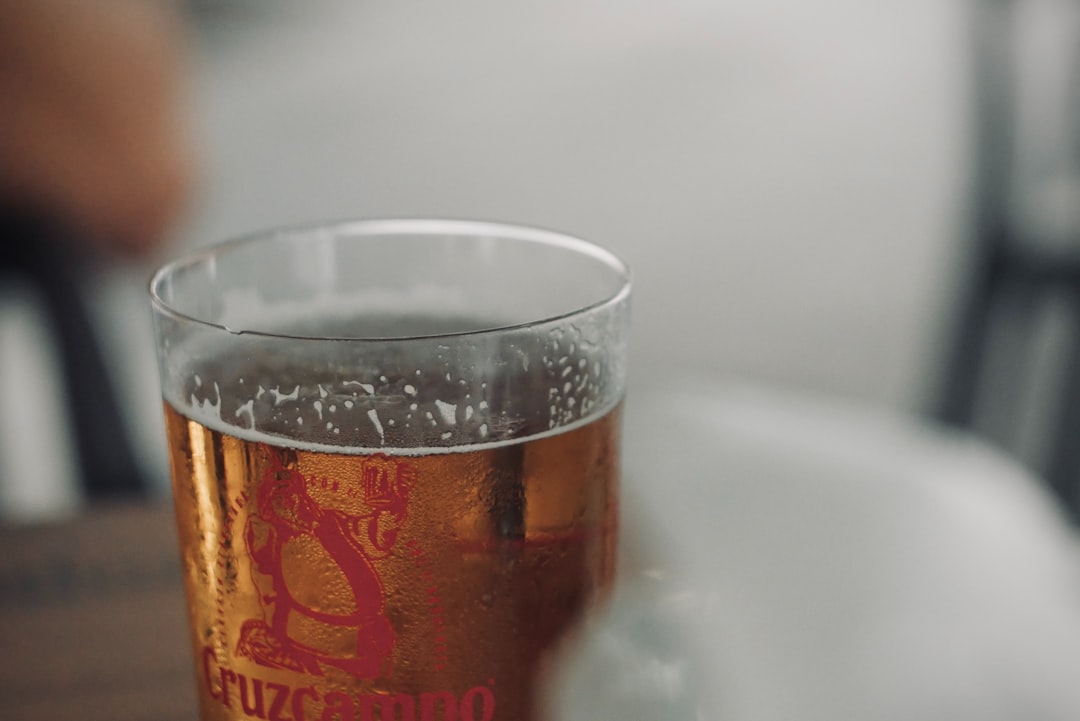
Aroma often reveals half the story: a single sniff can tell whether a beer is bright and citrusy, resinous and piney, or rich and chocolatey. When learning how to taste beer, the taster will discover that a structured approach unlocks layers of flavor and meaning that casual sipping misses. This guide walks through practical steps, sensory vocabulary, and exercises that help craft beer lovers — whether they're just getting started or already deep into the hobby — taste smarter and enjoy more.
Why Learning How to Taste Beer Matters
Learning how to taste beer does more than improve karaoke-worthy beer descriptions. It helps the taster:
- Choose beers they'll actually enjoy when browsing an extensive selection or placing an order on a site like Beer Republic.
- Identify flaws or off-flavors — useful for returning beers, talking with brewers, or improving homebrew batches.
- Pair beer with food thoughtfully, elevating both the dish and the brew.
- Deepen appreciation for brewers’ choices in malt, hops, yeast, and technique.
What One Needs Before Tasting
Preparation makes a tasting productive. Here's a simple kit the taster should have on hand:
- Clean glassware: Tulip, snifter, or nonic pint depending on style — clean glasses preserve aroma and head.
- Fresh beer: Check packaging dates when buying; Beer Republic’s fast shipping helps ensure freshness for hop-forward styles.
- Plain water and neutral crackers: For palate cleansing between samples.
- Notebook or tasting app: To record impressions and score the beer.
- Proper serving temperature: A fridge thermometer helps — different styles taste best at specific temps (see Serving Temps below).
Step-by-Step Guide to How to Taste Beer
Tasting becomes repeatable and meaningful when broken into stages: appearance, aroma, taste, mouthfeel, and finish. The taster will get more from each sample by following a consistent order.
1. Look — Appearance and Color
Appearance tells a lot about brewing choices and ingredients. When assessing a beer visually, the taster should note:
- Color: From pale straw to ebony. Color suggests malt bill and roast level.
- Clarity: Is the beer crystal clear, hazy, or intentionally cloudy? A hazy IPA points to suspended proteins and hop oils; a cloudy lager might be unfiltered.
- Head: Size, retention, and lacing. A creamy, long-lasting head often indicates proteins from malt and proper carbonation.
- Effervescence: Bubble size and lift — lively carbonation brightens perception of acidity and hops, while soft carbonation suits stouts and many Belgian ales.
Quick example: A pale IPA will typically be golden and may range from clear to hazy, with a frothy head; a porter will be dark brown to black with tan head and less effervescence.
2. Smell — The Aroma Tells the Story
Aroma captures volatile compounds that arrive at the nose before flavor registers. To evaluate aroma:
- Swirl the glass gently to release volatile compounds.
- Take short, deliberate sniffs from different heights (top of glass, then deeper) to capture layered notes.
Key aroma categories include:
- Hop-derived: Citrus, pine, resin, tropical fruit, floral, herbal.
- Malt-derived: Bready, biscuity, caramel, toffee, chocolate, coffee, roasted.
- Yeast-derived: Fruity esters (banana, pear), spicy phenols (clove, pepper), funky Brettanomyces notes in some Belgian/sour styles.
- Fermentation and adjuncts: Vanilla from oak, lactose sweetness, coffee from beans, fruit from additions.
Using an aroma wheel can help the taster name scents more precisely. Early on, they’ll want to focus on broad categories and a few specific descriptors rather than trying to label everything at once.
3. Taste — Flavor Components and Balance
Taste is the sum of taste receptors and aroma working together. The taster should take a medium-sized sip, letting the beer coat different parts of the tongue, then inhale slightly to enhance volatile flavors. Important elements to note:
- Sweetness: From fermentable sugars and malts; higher in malty ales and low-attenuation beers.
- Bitterness: Measured in IBUs; hops provide bitterness and aromatic character. The taster should judge whether bitterness is sharp, smooth, or lingering.
- Acidity: Present in sour beers or beers brewed with lactic/pleurotus influences; acidity adds brightness.
- Saltiness/umami: Rare, but can appear in certain styles or food pairings.
- Balance: The most critical concept — how sweetness, bitterness, acidity, alcohol warmth, and body interact.
Example: In an American IPA, expect assertive hop bitterness and strong hop aroma; the malt should support without overpowering. In a Belgian Tripel, the estery yeast and spicy phenols should balance with moderate sweetness and a dry finish.
4. Mouthfeel and Body
Mouthfeel describes texture — carbonation level, weight (light to full-bodied), creaminess, astringency, and alcohol warmth. The taster should note:
- Carbonation: Tingling to creamy — affects perception of flavors.
- Viscosity: A fuller body often comes from higher residual sugars or adjuncts like oats.
- Astringency: Drying tannic feel, sometimes from dark malts or over-crushed grains.
- Alcohol warmth: Noticeable heat on the palate and in the finish, especially above ~7% ABV.
5. Finish and Aftertaste
The finish is how flavors taper off. Is it crisp and dry, sweet and lingering, or bitter and long? The taster should judge whether the finish matches style expectations — a crisp lager should finish clean, while an imperial stout might leave long chocolate and roast notes.
6. Overall Impression and Notes
After assessing each component, the taster should assign an overall impression: delight, curiosity, disappointment, or concern over flaws. A quick summary in the notebook helps track preferences and memorable beers to seek out later. Many tasters rate beers on categories like appearance, aroma, flavor, mouthfeel, and overall, then give a final score.
Common Off-Flavors and What They Mean
Recognizing off-flavors helps the taster determine if a beer is flawed or simply stylistically different. Here are frequent issues and their likely causes:
- Skunky (lightstruck): Caused by UV light reacting with hops — smells like wet wool or sunshine-in-a-bottle. Clear or green bottles are risky for hoppy beers.
- Cardboard/Papery (oxidation): Tastes stale, often from old beer or poor packaging/storage.
- Diacetyl: Buttery or butterscotch aroma — often a fermentation or conditioning issue.
- Acetaldehyde: Green apple notes — from incomplete fermentation or stressed yeast.
- Phenolic/Solvent-like: Clove can be pleasant in some Belgian styles; harsh medicinal phenolics suggest infection or wild yeast.
- Sour/Punny when unintended: Might indicate bacterial contamination, unless the beer is a sour style.
- Sulfur: Rotten egg aroma — sometimes transient during fermentation but problematic if persistent in finished beer.
Tasting Techniques and Exercises to Improve
Skill comes with practice. Here are exercises that accelerate learning:
Blind Tasting
Remove label bias by pouring unmarked samples. The taster will be surprised how expectation colors perception. Blind tasting sharpens focus on objective traits like sweetness, bitterness, and aroma.
Comparison Flights
Compare similar styles side-by-side — three IPAs with different hop profiles, or a pale ale vs. a blonde ale. This emphasizes contrasts like hop resin vs. tropical fruit, or roast vs. caramel malt.
Aroma Training
Use small jars with everyday aromatics — orange peel, pine needles, coffee beans, toasted bread — to train the nose. Spend 30 seconds smelling one item, noting descriptors, then move on. Regular practice builds the mental library needed to identify beer aromas.
Triangle Tests
For advanced tasters or homebrewers: present three samples, two identical and one different. The taster must pick the odd one out. This sharpens detection thresholds for subtle differences.
Palate Reset and Order
When tasting multiple beers, start with lighter, lower-ABV beers and progress to heavier, more strongly flavored ones to avoid palate fatigue. Drink water and eat plain crackers between samples.
Style-Specific Tips — What to Look For
Different styles have signature markers. Here are quick cues the taster should expect:
- American IPA: High hop aroma (citrus, pine, tropical), medium body, medium to high bitterness, clean yeast profile.
- Hazy/New England IPA: Soft, juicy mouthfeel, low perceived bitterness, intense tropical fruit aroma, hazy appearance.
- Stout/Porter: Roast, coffee, dark chocolate, fuller body; look for soft carbonation and smooth finish in stouts.
- Lager (Pilsner): Clean, crisp, moderate bitterness (Pils), straw to golden color, subtle maltiness; freshness is key.
- Belgian Ales (Tripel, Saison): Spicy phenols, fruity esters, complex fermentation character; saisons often have peppery, earthy notes.
- Sour/Wild Ales: Tartness balanced with fruit and funk; acetic vinegar notes usually indicate a problem unless present in small amounts intentionally.
Food Pairing Basics
Pairing beer with food multiplies enjoyment. The taster should think about harmony, contrast, and intensity.
- Match intensity: Delicate seafood fits light lagers; rich braised meats need bold stouts or barleywines.
- Contrast flavors: Hoppy IPAs cut through fatty, spicy food — try an IPA with buffalo wings or spicy tacos.
- Complement flavors: Chocolate stout with a chocolate dessert doubles the cocoa impact.
- Consider sweetness: Sweet dessert beers pair well with salty cheeses or spicy dishes to balance.
Practical example: A citrusy West Coast IPA from Beer Republic’s selection highlights hops when paired with shrimp tacos with lime and cilantro; a milk stout balances roasted flavors against creamy blue cheese.
Hosting a Tasting or Visiting a Taproom
When leading friends through a tasting, the taster should consider:
- Flight size: 4–6 samples of 4–6 ounces each keeps people engaged without getting inebriated.
- Theme: Single-brewery retrospective, hop-forward comparison, or porter vs. stout showdown.
- Discussion prompts: Ask participants to describe aromas, rank favorites, and note off-flavors.
Beer Republic’s curated packs and mixed cases make it easy to build a coherent flight for home tastings — for example, a West Coast IPA pack vs. a New England IPA pack to compare styles.
Storing and Serving Beer
Freshness and temperature change tasting results dramatically. Key serving guidance:
- Storage: Keep beers upright in a cool, dark place. Hoppy beers especially need minimal oxygen exposure and cool temps to preserve hop character.
-
Serving temperatures:
- Light Lagers & Pilsners: 38–45°F (3–7°C)
- Pale Ales & IPAs: 45–50°F (7–10°C)
- Belgian Ales & Amber Ales: 45–55°F (7–13°C)
- Porters & Stouts: 50–55°F (10–13°C)
- Barleywines & High-ABV: 55–60°F (13–16°C)
- Glassware: Use a glass that concentrates aroma for aromatic styles (tulip or snifter for Belgian ales and strong ales), while a nonic pint or mug suits session beers and easy-drinking lagers.
- Pour: Tilt the glass and pour mid-splash to create a 1–1.5 inch head; avoid excessive foam to preserve carbonation and aroma release.
Beer Republic’s fast shipping reduces time in transit, helping hop-forward and fresh beers arrive tasting closer to how the brewer intended.
Buying and Exploring New Beers
With an overwhelming selection, a method makes browsing less stressful. The taster should:
- Read labels for ABV, IBU, and special ingredients; these guide expectations.
- Look for freshness dates, especially on IPAs; fresher means brighter hop character.
- Explore brewery descriptions and user reviews for context, but use blind tasting to test assumptions.
- Try mixed packs or curated collections (like Beer Republic’s style-based collections) to efficiently explore a range.
Scoring and Keeping a Beer Journal
Maintaining notes sharpens memory and tastes. A simple tasting template often includes:
- Appearance (0–5)
- Aroma (0–15)
- Flavor (0–20)
- Mouthfeel (0–5)
- Overall Impression (0–10)
Many tasters use a 50- or 100-point scale, but a consistent personal system matters more than the exact numbers. The journal should record the beer name, brewery, ABV, date tasted, and concise descriptors (e.g., “grapefruit, resin, biscuity malt, medium body, clean finish”). Over time, trends emerge about preferred styles, breweries, and processing methods.
Advanced Tips for Enthusiasts and Homebrewers
For those who want to dig deeper, consider these next-level practices:
- Sensory Panels: Organize small groups to taste the same beer and aggregate descriptors — this reduces individual bias.
- Ingredient Spot Tests: Brew small batches or infuse neutral beer with single-hop additions to isolate hop character.
- Temperature Variation: Taste the same beer at multiple temperatures to see how aromas and mouthfeel shift.
- Homebrew Tracking: If brewing at home, compare commercial counterparts to gauge where process changes will make the biggest impact.
Ethics, Safety, and Responsible Tasting
Tasting should always be responsible. Tasters must be of legal drinking age, avoid driving after sessions, and consider spitting into a bucket for multi-beer sessions to prevent intoxication while maintaining sensory acuity. Encourage moderation and clear communication when hosting others.
Conclusion
Learning how to taste beer transforms drinking into an active, rewarding pursuit. By focusing on appearance, aroma, flavor, mouthfeel, and finish — and by practicing with comparison flights, aroma training, and good note-taking — the taster gains clarity in preferences and a richer appreciation for the craft. Whether exploring hop-forward IPAs, roasty stouts, or funky wild ales, a little technique goes a long way.
For craft beer enthusiasts keen to expand their tasting library, Beer Republic offers a wide selection of top-rated American and Canadian beers, fresh shipping, and curated packs that make building flights and learning by comparison simple and convenient.
Frequently Asked Questions
How often should someone taste beer to improve their skills?
Regular, focused sessions are best. Short weekly tastings — even one or two beers sampled thoughtfully — build recognition faster than infrequent marathon sessions. Consistency trumps quantity.
Is it okay to taste beers straight from the bottle?
It's practical, but using a clean glass is preferable. Glass concentrates aroma and shows appearance; bottle aromas are often muted, and glass helps assess head retention and color.
Can a casual drinker learn to taste like an expert?
Yes. With patience and structured practice — sniffing, comparing, and noting — a casual drinker can significantly refine their palate. Aroma training and comparison flights accelerate progress.
What’s the best order to taste multiple beers?
Progress from lightest to heaviest and from lowest ABV to highest to avoid palate fatigue. Also, taste low-hop beers before intensely hopped ones to preserve sensitivity to delicate flavors.
How important is serving temperature for tasting?
Very important. Serving at the right temperature highlights intended flavors: colder for crisp lagers and warmer for aromatic ales. Slightly warming a beer often boosts aroma and complexity.
