
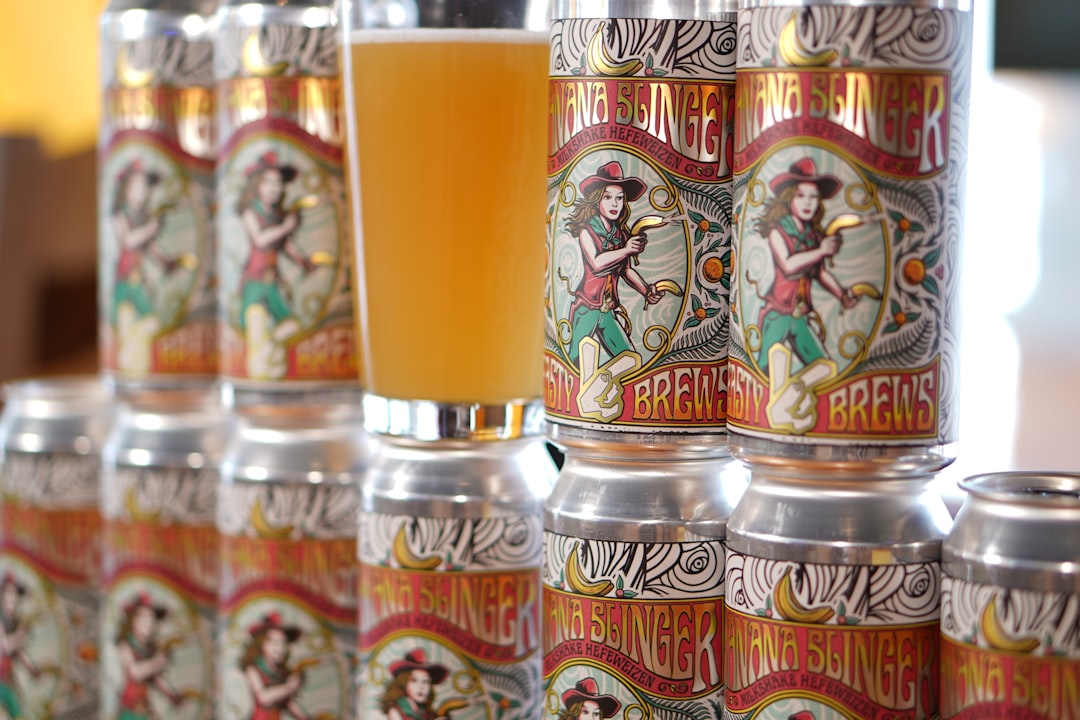
Craft breweries are pivoting from pandemic-era survival tactics to bold innovation — and the latest news on craft breweries shows a scene that's more experimental, consolidated, and consumer-focused than ever. Whether readers follow small hometown brewpubs or regional producers making national waves, the current headlines reflect change across styles, business models, sustainability, and how people buy beer.
Why This Moment Matters
After a decade of explosive growth, the craft beer landscape is in transition. Breweries that rode the early microbrew boom are now maturing businesses navigating tighter margins, shifting consumer tastes, and an increasingly crowded marketplace. At the same time, new brewers keep launching with fresh approaches to flavor, community engagement, and distribution.
That mix of consolidation and creativity makes staying on top of the news on craft breweries especially useful. Enthusiasts who read these updates can discover limited releases, follow up-and-coming breweries before they go big, and learn how market shifts affect availability and pricing.
Major Themes in Recent News on Craft Breweries
1. Consolidation, Investment, and Strategic Partnerships
One persistent headline topic has been consolidation. Larger regional brewers and beverage companies continue to acquire smaller brands, invest in minority stakes, or enter distribution partnerships to expand reach. These deals can give smaller breweries capital to scale production, upgrade facilities, or enter new markets, but they also raise questions about independence and recipe integrity.
At the same time, crowdfunding and community ownership models remain popular. Many breweries use fan investment rounds to retain local roots while funding growth, which often makes headlines that combine business news with human-interest angles.
2. Style Innovation Isn’t Slowing
News on craft breweries regularly highlights stylistic experimentation: hazy IPAs continue to evolve, barrel-aged stouts remain coveted, and mixed-fermentation sours have matured into a staple rather than an oddity. Brewers are pushing the envelope with heirloom and wild yeasts, barrel programs combining wine or spirits influence, and cross-cultural ingredient mashups (think hop-forward renditions of classic European styles).
Emerging micro-trends — such as low- and no-ABV craft beers, fruited kettle sours, and hybrid lager-ale techniques — make regular appearances in craft beer coverage. These reflect consumer demand for sessionable options, novel flavor, and occasion-specific beers.
3. Sustainability and Local Sourcing
More breweries are publicizing sustainability efforts. Recent news stories have focused on water conservation projects, solar installations at brewing facilities, repurposing spent grain for animal feed or baking, and sourcing local hops and grains to reduce carbon footprints. Sustainability often intersects with marketing and community engagement, with breweries highlighting local suppliers and transparent brewing practices.
4. Taprooms and Direct-to-Consumer (DTC) Evolution
Taprooms remain central to a brewery’s identity and revenue, but how they operate has changed. Breweries are diversifying taproom offerings with food collaborations, membership-based releases, and ticketed tasting events. Many are optimizing online ordering and DTC shipping where state and provincial laws allow — a trend that gets regular coverage in the news on craft breweries as laws and technology evolve.
5. Regulatory Shifts and Distribution Complexity
Regulatory updates frequently make headlines. Changes in state or provincial three-tier systems, updates to self-distribution allowances, and new labeling or tax rules all affect how breweries sell beer. For example, emergency measures adopted during the pandemic to allow expanded DTC shipping have either been extended, modified, or rolled back in many jurisdictions, creating both opportunity and uncertainty.
6. Digital Tools, Data, and Community Platforms
Digital platforms like Untappd, RateBeer, social media channels, and specialized marketplaces are increasingly influential. News coverage often focuses on how breweries use these tools to release limited drops, manage pre-orders, or build direct relationships with customers. Likewise, data-driven decisions — from forecasting demand to optimizing distribution — get attention as breweries scale.
Spotlight: What’s New in the USA and Canada
United States
In the U.S., regional clusters continue to define scenes — the Pacific Northwest for hop-forward ales, the Northeast for mixed-fermentation and barrel-aged programs, and the Midwest for crisp lagers and innovative small-batch releases. Recent headlines often cover state-by-state regulatory updates, big-name collaborations, and the rise of lager-focused craft breweries that pair old-school technique with modern sourcing.
Canada
Canadian craft beer news tends to highlight provincial differences. Provinces like British Columbia, Ontario, and Quebec are hotspots for experimental breweries and strong taproom cultures. Coverage often focuses on distribution challenges across provinces, creative taproom experiences, and collaborations that crossover with local food producers and distilleries. Canadian breweries also feature prominently in sustainability and local grain resurgence stories.
How These Trends Affect Consumers
For craft beer fans, that evolving news cycle has real consequences:
- Availability: Consolidation might mean wider availability of favorite beers, but it can also end limited experimental lines. Fans may need to act quickly on drops.
- Price: Economic pressures and packaging costs sometimes push prices up, especially for canned specialty releases and barrel-aged bottles.
- Access: The expansion of DTC shipping and online marketplaces increases access to distant breweries — but legal limits still vary widely by state/province.
- Quality and Transparency: Sustainability initiatives and clearer sourcing often mean more transparent labels and storytelling, which many consumers appreciate.
Where to Find Reliable News on Craft Breweries
Keeping pace with industry news helps enthusiasts spot limited releases and understand market dynamics. The best sources mix national coverage, local reporting, and community platforms:
- Industry Publications: Trade outlets and associations publish in-depth reporting on regulatory changes, market trends, and financial news.
- Local Beer Blogs and City Publications: These outlets often break taproom openings and events first.
- Social Media and Brewery Newsletters: Many breweries announce cans, collabs, and events directly via Instagram, Facebook, and email lists.
- Community Apps: Untappd and BeerAdvocate track releases and user reviews in real time.
- Marketplaces: Online retailers and specialty shops often post curated selections and writeups — for example, Beer Republic highlights top-rated U.S. and Canadian brews and often features limited releases and collections that have been in the news on craft breweries.
Practical Tips for Enthusiasts Following News on Craft Breweries
Sign Up and Stay Local
Subscribe to newsletters from favorite breweries and local taprooms. Small brewers prioritize their email lists for pre-sales and VIP drops, so being on that list often beats showing up on release day.
Use Apps Strategically
Use community apps not just to rate beers, but to follow breweries and set notifications. Untappd’s check-in activity is a quick way to see what’s trending at nearby breweries.
Plan Brewery Visits
When a brewery makes national news for a new release, it often happens in the taproom first. If readers travel for beer, they should check opening hours, ticket policies, and whether the brewery runs timed sessions or membership lifts.
Join Local Beer Groups
Neighborhood beer clubs, online forums, and Discord channels are great for trading tasting notes, swapping limited bottles, and hearing about cellar sales or taproom-only offerings.
Be Respectful at Releases
Limited drops can get heated. Fans who follow the news on craft breweries should remember to respect brewery staff and other customers — line-cutting, overbuying, and reselling can harm a local scene and its reputation.
How Breweries Are Responding to Consumer Demand
Breweries are adapting on multiple fronts to match what their communities want:
- Flexible Production: Small brewers keep pilot systems to test new recipes before scaling them up.
- Membership Programs: Many breweries offer tiered memberships that give members early access to cans, bottles, and events.
- Collabs and Crossovers: Collaborations with local roasters, bakeries, and distillers create novel beers and shared audiences.
- Multi-Channel Sales: Taproom sales, local retail, and DTC shipping are balanced for stability.
Packaging and Design: The Visual Side of the News
Packaging trends often make headlines too. From eco-friendly cans with minimalist art to flamboyant labels that scream personality, design choices signal a brewery’s aesthetic and target audience.
Craft beer collectors pay attention to limited-edition bottle art, barrel program numbering, and serial releases. Savvy shoppers follow packaging news because a distinctive label often predicts a sought-after drop.
Technology and the Brewery of Tomorrow
Technology is quietly reshaping production and marketing. Automation helps breweries run efficient canning lines and quality-control systems. Software helps track inventory, sales, and compliance documents. Digital tasting rooms, virtual tap takeovers, and online pour sessions also emerged during recent years, and they persist as part of a varied marketing toolkit.
Case Study: How a Small Brewery Might Make Headlines
A hypothetical example helps illustrate how news cycles form:
- A brewery experiments with a local heirloom barley and a wild yeast strain on its pilot system.
- Local press covers the pilot release because the brewery partners with a neighborhood bakery to use spent grain.
- The beer sells out in the taproom; social media buzz spreads via check-ins and reviews.
- A regional distributor hears the buzz, approaches the brewery for a limited run in nearby markets.
- The brewery's sustainability angle (local grain, spent-grain baking) gets picked up by national trade media.
That chain — experiment, local collaboration, community buzz, wider distribution, and national coverage — is a common arc in recent news on craft breweries.
Where to Buy the Beers Mentioned in the News
For people who read about rare drops or collabs, finding the beer can be a challenge. Here are reliable options:
- Local Taprooms: The first place to check for small releases and special pours.
- Regional Bottle Shops: Shops often get allocations and carry hard-to-find cans and bottles.
- Online Retailers: Licensed platforms and specialty shops list limited releases and curated collections — for example, Beer Republic offers a wide selection of top-rated U.S. and Canadian craft beers, fast shipping, and curated collections that make it easier to buy beers that have been trending in the news on craft breweries.
- Club Subscriptions: Beer clubs or subscription boxes can provide monthly discovery of newsworthy beers.
How Brewers Communicate Their News
Breweries share stories in several ways, each suited to different kinds of announcements:
- Press Releases: For major partnerships, expansions, and funding news.
- Email Newsletters: For release windows, VIP drops, and ticketed events.
- Social Media: For immediate updates, live taproom happenings, and visual storytelling.
- Taproom Signage: For local patrons who visit in person.
Common Misconceptions in Coverage
Some recurring myths pop up when people read headlines:
- “Bigger Means Better”: Scale doesn’t always equate to quality. Many small brewers maintain high standards even at low volumes.
- “All Acquisitions Ruin Flavor”: Some acquisitions lead to recipe changes, but many parent companies let craft brands run independently.
- “Online Sales Are Universal”: Legal limits still restrict DTC shipping in many locales, so online availability varies.
Tips for Small Brewers Wanting Media Attention
For brewers aiming to be part of the news on craft breweries, meaningful storytelling helps:
- Be Transparent: Share ingredient sources, production challenges, and sustainability efforts.
- Engage Locally: Host community events, tap takeovers, and collaborations.
- Use High-Quality Visuals: Good photography and label design make a release more click-worthy.
- Provide Clear Contact Info: Make it simple for journalists and influencers to reach a brewery’s press or taproom staff.
Future Headlines to Watch
Based on current momentum, audiences can expect more of the following:
- Greater experimentation with low-ABV and non-alcoholic craft offerings.
- Renewed interest in locally sourced grains and hops.
- More breweries adopting measurable sustainability targets and reporting progress.
- Expansion of membership and reservation systems tied to taproom experiences.
- Creative logistics solutions as breweries navigate distribution limits and rising packaging costs.
How Beer Republic Fits Into the Landscape
Retailers play a key role in the craft ecosystem by elevating noteworthy beers and making them accessible. Beer Republic curates a wide selection of American and Canadian craft beers — from hoppy IPAs to rich stouts — and highlights collections and limited releases that often appear in the news on craft breweries. With fast shipping and a user-friendly site, Beer Republic helps enthusiasts discover trending beers without chasing multiple taprooms or stores.
For collectors and casual drinkers alike, curated online shops can serve as a filter: they surface beers with strong reviews, regional acclaim, or innovative backing, helping customers find quality choices quickly.
Tasting and Evaluating Newsworthy Beers
When a beer makes headlines, how should readers approach tasting it? A few practical steps help:
- Serve Properly: Use a clean glass, serve at the right temperature, and pour to preserve aroma.
- Smell First: Aromas reveal hop character, yeast notes, and barrel influences.
- Take Small Sips: Let the beer coat the palate and identify sweetness, acidity, bitterness, and mouthfeel.
- Compare Notes: Consult tasting notes from the brewery and community reviews to situate impressions.
Events, Festivals, and Tap Takeovers
Beer festivals and tap takeovers often generate the most immediate, shareable news. These events let fans sample experimental beers and meet brewers. Keeping an eye on festival lineups is a good way to find trending breweries and limited casks before they hit retail.
Final Thoughts
The ongoing news on craft breweries tells a layered story: one of innovation, economic reality, and community. Bars and taprooms, regional distribution networks, and online retailers all influence what brewers can create and what drinkers can enjoy. For enthusiasts, that means opportunity: more styles to explore, more ways to buy them, and more stories behind each can and bottle.
Staying informed — via local outlets, industry news, brewery newsletters, and trusted retailers like Beer Republic — helps fans be part of the moment when a small-batch beer becomes the next big thing. The scene will keep changing, but curiosity and community remain the best guides.
Frequently Asked Questions
How can readers quickly find reliable news on craft breweries?
They should follow a mix of sources: national trade publications for big-picture trends, local beer blogs for taproom news, brewery newsletters for release announcements, and community apps for real-time check-ins. Subscribing to a curated online retailer’s updates, like Beer Republic's newsletters or release alerts, also helps locate sought-after beers.
Are craft beer prices going up because of recent market changes?
Some price increases reflect higher ingredient and packaging costs, plus inflationary pressures. Specialty beers, barrel-aged releases, and limited cans tend to carry higher price tags. However, increased competition and DTC options can sometimes offset price effects by expanding availability.
What’s the best way to secure limited-release beers mentioned in the news?
Sign up for brewery and retailer newsletters, join membership or loyalty programs, follow social accounts, and arrive early for taproom drops. Participating in local beer communities and using apps that track releases can also improve chances.
Do brewery acquisitions mean the beer will change?
It depends. Some acquisitions leave brewing operations and recipes mostly unchanged, while others lead to reformulation or wider distribution that necessitates consistency changes. Fans who care about independence should research each deal’s terms and the acquiring company's approach.
How can a casual drinker discover new styles without getting overwhelmed?
Start with curated collections and mixed packs that offer variety without committing to large volumes. Read tasting notes, ask local retailers for recommendations, and attend taproom events or small festivals to sample different styles in smaller pours.
