
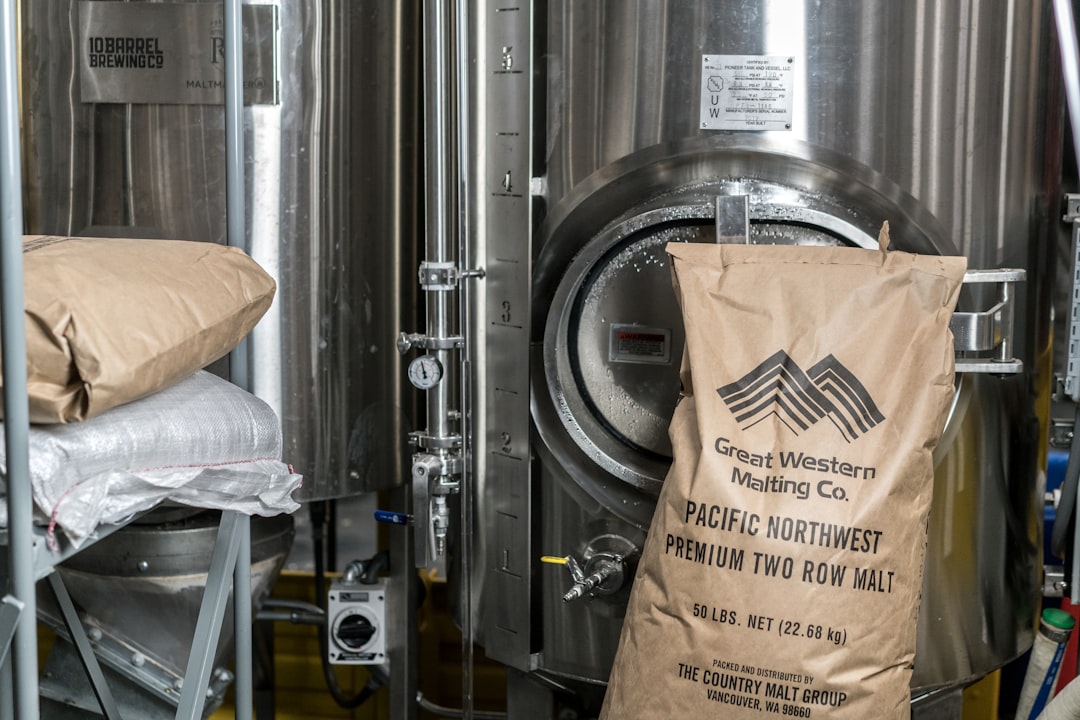
Brewing beer is both an art and a resource-intensive process. That's why sustainable brewing practices are becoming a top priority for craft brewers who want to cut costs, shrink their carbon footprint, and appeal to eco-conscious drinkers. This article walks through practical strategies breweries of all sizes can use — from water-saving measures and energy recovery to smarter packaging and circular waste streams — and explains how beer lovers can support the movement.
Why Sustainable Brewing Practices Matter
Craft beer culture values creativity, quality, and community. Sustainable brewing practices let breweries honor those values while tackling real environmental and economic challenges. Brewing uses large volumes of water and energy, generates organic waste and wastewater, and relies on packaging and distribution systems that have significant environmental impacts. Smart sustainability measures reduce those impacts and often deliver financial returns, better brand loyalty, and resilience against supply chain disruptions.
For Beer Republic’s audience — craft beer fans who enjoy exploring new brews from the USA and Canada — sustainability is increasingly part of the buying decision. Many consumers want to know their favorite IPAs and stouts were brewed responsibly. Retailers and aggregators who highlight sustainably produced beers make it easier for shoppers to align purchases with values.
Core Areas of Sustainable Brewing
Sustainable brewing practices focus on several interrelated areas. Addressing them together creates the biggest gains.
1. Water Conservation
Water is the single most critical resource in brewing. It’s used for mashing, sparging, cooling, cleaning, and packaging. Historically, breweries used anywhere from 3 to 7 gallons of water for every gallon of beer produced; modern best practices push that ratio toward 3:1 or lower.
- Measure and benchmark: Install submeters on key processes (mash tun, kettle, CIP) to discover where water is used and wasted.
- Optimize brewhouse efficiency: Use grain bed depth and sparge techniques to extract more sugars with less water. High-gravity brewing — producing stronger wort and diluting later — reduces batch losses and improves energy efficiency.
- Reuse and recycle: Treat and reuse process water for non-potable needs (cooling towers, irrigation, cleaning exterior surfaces). Proper filtration and monitoring are essential.
- Reduce CIP water: Refine cleaning-in-place (CIP) cycles, recover rinse water, and use low-volume spray balls and automated valves to avoid over-rinsing.
- Rainwater harvesting: Where permitted, capture rainwater for outdoor cleaning and landscaping.
2. Energy Efficiency and Heat Recovery
Energy drives mash heating, wort boiling, refrigeration, and packaging. Switching to more efficient equipment and recovering heat can dramatically cut energy demand.
- Heat exchangers: Install plate or shell-and-tube heat exchangers to capture heat from hot wort and use it to preheat incoming water.
- Boiler and burner tuning: Maintain combustion efficiency and consider low-NOx burners or condensing boilers.
- Insulation and thermal design: Properly insulate tanks and piping to minimize heat loss. Night-time setbacks for HVAC systems save energy during slow periods.
- Renewable energy: Solar PV for electricity, solar thermal for hot water, and biomass boilers (using spent grain or wood chips) can reduce fossil fuel use.
- Efficient refrigeration: Modern compressors, variable-frequency drives (VFDs), and glycol systems with heat reclaim turn cooling loads into heating opportunities for cleaning and space heating.
3. Waste Reduction and Circularity
Brewing produces valuable organic byproducts that can be repurposed rather than landfilled.
- Spent grain reuse: The most common route: feed for livestock. Other innovative uses include composting, baking (spent-grain bread), and conversion into ingredients for baked goods, pet treats, or even protein concentrates.
- Yeast management: Recover and reuse yeast where safe, or send surplus to fermentation-based companies or anaerobic digesters.
- Waste-to-energy: Anaerobic digesters convert brewery wastewater and organic waste into biogas for heat and electricity.
- Composting: On-site or via municipal partnerships, compost spent grain and packaging waste to close nutrient loops.
4. Packaging Choices
Packaging is a major lifecycle contributor to beer’s environmental footprint. Choosing the right packaging reduces embodied carbon and increases recyclability.
- Cans vs. bottles: Aluminum cans are lighter, chill faster, and are widely recycled. Glass bottles are heavier and have a higher transport footprint. Returning clean, refillable glass kegs or growlers can be very sustainable when implemented well.
- Lightweighting: Whether glass or cans, reducing material thickness reduces embodied energy.
- Recycled content: Sourcing aluminum and glass with high recycled content lowers lifecycle impacts.
- Labeling and adhesives: Use recyclable adhesives and avoid multilayer labels that contaminate recycling streams.
- Bulk and draft distribution: Kegging and taproom sales eliminate most single-use packaging per serving.
5. Ingredient Sourcing and Agriculture
Where barley, hops, and adjuncts come from affects transport emissions, soil health, and biodiversity.
- Local sourcing: Buy malt and hops from regional suppliers to cut transportation impacts and support local farms.
- Regenerative agriculture: Prioritize ingredients grown using regenerative practices that build soil carbon, reduce chemical inputs, and improve water retention.
- Seasonality and variety: Brew with seasonal or low-input crops; experiment with heirloom grains that require less intensive farming.
6. Transportation and Distribution
Distribution can dominate a beer’s lifecycle emissions. Local sales, optimized routes, and consolidated shipments help.
- Local-first strategy: Prioritize local taprooms, retailers, and direct-to-consumer channels to reduce miles travelled.
- Efficient logistics: Plan route optimization, full-load deliveries, and palletization strategies to reduce empty miles.
- Retail partnerships: Work with distributors and retailers that emphasize sustainability, return logistics, and efficient warehouse operations.
Practical Steps for Breweries: From Startup to Scale
Small and new breweries might think sustainability is expensive or complex. It isn't necessarily. Some measures are cheap and high-impact; others require capital but pay back over time.
Low-Cost, High-Impact Actions
- Install water meters and energy monitors to get actionable data.
- Fix leaks, insulate tanks, and seal doors to prevent heat loss.
- Train staff on efficient CIP cycles and equipment shutoffs.
- Switch to LED lighting and motion sensors in low-use areas.
- Set up partnerships to send spent grain to local farmers.
Medium-Term Investments
- Heat exchangers and heat recovery from refrigeration systems.
- Solar PV or solar thermal installations sized to facility needs.
- Upgrade to high-efficiency boilers and refrigeration compressors.
- Implement an anaerobic digester with partner organizations for breweries producing large organic loads.
Long-Term Strategies for Scaling
- Design a new facility with sustainability integrated: passive heating/cooling, efficient layouts, graywater systems, and renewable energy readiness.
- Pursue certifications (LEED, B Corp) to validate efforts and attract conscious consumers.
- Create closed-loop systems with local farms and municipal utilities for nutrient recovery and energy exchange.
Financial Benefits and Business Case
Beyond environmental motivations, sustainable brewing practices make strong business sense.
- Lower operating costs: Water and energy savings reduce monthly bills; waste valorization can create revenue streams.
- Improved margins: Packaging optimization and logistics efficiency cut per-unit costs.
- Market differentiation: Sustainability storytelling attracts loyal customers and can justify premium pricing for flagship lines.
- Access to funding: Grants, tax credits, and low-interest loans often exist for energy efficiency and renewable projects.
- Employee attraction and retention: Sustainable values resonate with many employees, especially younger talent seeking purpose-driven workplaces.
Tools, Technologies, and Innovations
Modern tools help brewers track performance and find efficiency opportunities.
Energy and Water Monitoring
Real-time meters and dashboards reveal patterns and abnormal usage. A brewery can reduce water and energy consumption substantially simply by identifying and addressing spikes from specific shifts or equipment.
Automation and Process Control
Automated valves, CIP sequencing, and temperature control reduce human error and optimize resource use. Small-scale breweries can use accessible PLCs or cloud-based brewing management systems to coordinate operations.
Anaerobic Digestion and Biogas
Digesters transform brewery wastewater and organics into methane that fuels boilers or generators. Community-scale digesters are an option for smaller breweries that can't justify on-site systems.
Advanced Packaging Materials
Innovations include compostable six-pack rings, low-carbon aluminum, and recycled-content glass. Labels and inks have also improved to avoid contaminating recycling streams.
Consumer Actions: How Beer Lovers Can Support Sustainable Brewing Practices
Consumers exert powerful influence. Here are practical ways craft beer fans can champion sustainability.
- Buy local when possible: Local beers reduce transport emissions and support breweries investing in community programs.
- Choose cans over bottles: Aluminum generally has a lower transport and recycling footprint compared with glass.
- Support breweries that publish sustainability reports: Transparency signals genuine effort.
- Reuse and refill: Bring growlers or reusable vessels where allowed, and support refill programs.
- Ask questions: When buying from Beer Republic or other retailers, check product pages for sustainability notes, or use filters to find eco-friendly collections.
Beer Republic, with its broad selection of top-rated American and Canadian craft beers and easy website, makes it simple for shoppers to discover brews from breweries that prioritize sustainability. Craft beer fans can look for beers with information on sourcing, packaging, or brewery sustainability pages; retailers and marketplaces that curate sustainable collections help narrow the search.
Monitoring Success: KPIs and Reporting
To make sustainability meaningful, breweries should track key metrics and report progress. Useful KPIs include:
- Water-to-beer ratio: Gallons of water per gallon of beer produced.
- Energy intensity: kWh per hectoliter or per barrel.
- Waste diversion rate: Percentage of organic waste diverted from landfill.
- Packaging recycled content: Percentage of recycled material in cans, glass, or boxes.
- Scope 1 and 2 emissions: Direct and purchased energy greenhouse gas emissions, typically reported in CO2e.
Annual sustainability reports — even a short one-page update — build credibility. Share wins and setbacks; customers appreciate honesty and concrete goals.
Regulations, Incentives, and Partnerships
Many breweries can offset project costs through incentives and partnerships.
- Government grants and rebates: Local, state/provincial, and federal programs often support energy efficiency and water conservation projects.
- Utility incentives: Utilities sometimes offer rebates for heat recovery, efficient boilers, refrigeration upgrades, and solar installations.
- Academic partnerships: Universities and extension services frequently collaborate with breweries on pilot projects and research.
- Industry groups: Organizations like the Brewers Association provide guidance, benchmarking tools, and case studies.
Case Studies and Real-World Examples
Seeing practical examples helps translate ideas into action. These case studies highlight scalable tactics.
Sierra Nevada Brewing Co.
Sierra Nevada has long been a sustainability leader, investing in solar arrays, wastewater treatment with anaerobic digestion, and energy-efficient brewing systems. Their early investment in a biomass boiler and dedicated environmental team demonstrates how capital projects can lower long-term operational costs while reducing greenhouse gas emissions.
New Belgium Brewing
New Belgium integrated sustainability across their operations, including water-saving practices, onsite solar, and employee engagement programs. Their transparent reporting and community-driven initiatives helped the brand align with consumers who care about environmental stewardship.
Small-Brewery Example
A 5-barrel brewpub might start by metering water usage, changing to LED lighting, and establishing a spent grain partnership with a local farm. These low-cost steps often pay for themselves in months, not years. Successes like these scale: money saved on utilities funds better taps, more experimental batches, and stronger marketing.
Challenges and Trade-offs
Sustainable brewing isn't free of trade-offs. Some choices require careful consideration:
- Capital vs. operating savings: Solar arrays and anaerobic digesters require upfront investment and long payback periods. Smaller breweries may prefer incremental changes.
- Packaging perception: Some consumers still prefer glass bottles aesthetically, even if cans score better environmentally. Education and attractive can designs help shift perceptions.
- Supply chain limits: Local hops or regenerative barley may be limited in supply or price. Building relationships with growers and committing to multi-year purchases can help scale production.
- Regulatory hurdles: Water reuse and on-site digesters require permits and compliance with public health regulations.
Emerging Trends and the Future of Sustainable Brewing Practices
Several trends are shaping the next wave of sustainable brewing:
- Carbon labeling: Expect more breweries to include carbon footprint estimates on packaging or online product pages.
- Regenerative supply chains: Brewers will deepen relationships with farmers using regenerative practices, shifting agricultural inputs to support soil health and biodiversity.
- Cross-sector collaboration: Breweries will partner with food companies, municipal utilities, and technology providers to build regional circular systems for waste and energy.
- Material innovation: New packaging materials and adhesives that improve recyclability and compostability will gain traction.
How Beer Republic Supports Sustainable Choices
As a destination for craft beer lovers, Beer Republic can bridge consumers and sustainably minded breweries. Shoppers who prefer beers brewed with greener practices can look for product descriptions, brewery sustainability pages, or curated collections highlighting eco-focused producers. Beer Republic’s fast shipping and wide selection make it easy to try new sustainable brews from across the USA and Canada — from small local producers to larger craft breweries leading the sustainability charge.
Retailers and e-commerce platforms like Beer Republic can also nudge the market: featuring sustainability filters, promoting certified beers, and highlighting stove-to-pint stories that show the effort behind more sustainable brewing practices. That transparency helps consumers reward breweries making real investments.
Action Plan Checklist for Breweries
Here’s a concise roadmap breweries can use to begin or accelerate sustainability work:
- Measure baseline water and energy use (install submeters).
- Implement no-cost and low-cost fixes (LEDs, leak repairs, staff training).
- Partner locally for spent grain reuse and composting.
- Install heat recovery systems and optimize CIP cycles.
- Explore renewable energy options (solar PV, solar thermal, biomass).
- Choose recyclable packaging and increase recycled content.
- Set measurable targets and publish an annual sustainability update.
- Seek grants, rebates, and partnerships to fund capital projects.
Conclusion
Sustainable brewing practices aren't just a marketing buzzword — they're practical, measurable ways to make beer production leaner, cleaner, and more resilient. Whether it's a garage-startup brewer optimizing water use, a mid-sized brewery installing heat recovery, or a national name investing in renewable energy, every step helps. Consumers also play a part by choosing sustainably made beers, supporting local brewers, and favoring recyclable packaging.
For craft beer fans shopping online, Beer Republic’s broad selection and quick delivery can make it simple to discover beers brewed with sustainability in mind. By prioritizing transparency and offering thoughtful curation, retailers and breweries together can accelerate adoption of sustainable brewing practices across the industry — saving resources, cutting costs, and keeping great beer flowing for years to come.
Frequently Asked Questions
What is the biggest environmental impact in brewing?
The largest impacts typically come from water use and energy consumption, plus packaging and distribution. For many breweries, saving water and recovering heat yields the quickest reductions in environmental footprint and operational savings.
Are cans always more sustainable than bottles?
Generally, aluminum cans have lower transport emissions and are highly recyclable, making them a strong sustainability choice. However, the best option depends on recycling infrastructure in a region, the share of recycled material in packaging, and whether refillable systems (kegs/growlers) are used.
How can a small brewery start becoming more sustainable with limited funds?
Begin with low-cost steps: install meters, fix leaks, train staff on efficient CIP cycles, switch to LEDs, and partner with local farms for spent grain. These actions often deliver quick paybacks and lay the groundwork for larger investments later.
Do sustainable brewing practices increase beer prices?
Not necessarily. Many sustainability measures reduce operating costs over time, which can offset initial investments. Some breweries choose to pass minimal costs to consumers, while others absorb them as part of brand positioning. Transparency helps consumers understand where any price differences come from.
How can consumers find beers brewed with sustainable practices?
Look for brewery sustainability reports, product descriptions mentioning sourcing or packaging, and retailer collections that highlight eco-friendly beers. Supporting local breweries, choosing canned options, and asking questions at taprooms are simple ways to support sustainable brewing practices.
