
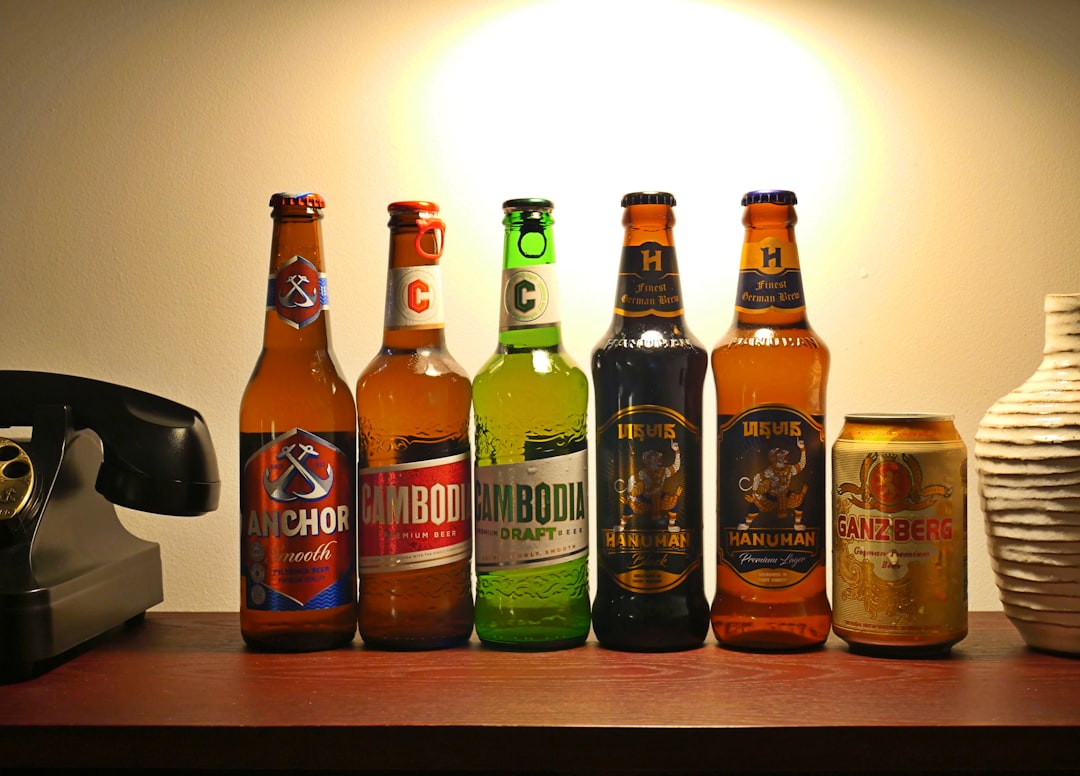
Tasting different beer styles opens a wide world of flavors, aromas, and textures that reward curiosity and a little technique. Whether the tasting is a casual evening with friends or a structured flight in a tasting room, an informed approach makes discoveries more satisfying. This guide walks through the how and why of tasting different beer styles, explains what to look for in each pour, and offers practical tasting flight suggestions and food pairings tailored to craft beer lovers.
Why Taste Different Beer Styles?
Exploring beer styles helps the taster understand personal preferences, appreciate brewing creativity, and recognize quality. Craft beer has exploded with diversity, from crisp pilsners to thick, roasty imperial stouts and tart mixed-fermentation sours. By tasting different beer styles, the enthusiast grows their palate, learns to identify style-defining traits, and gains confidence when selecting bottles online or at a taproom.
For shoppers and collectors, tasting informs purchases. A person who knows they prefer fruity, low-bitterness beers might seek out New England IPAs or fruit-forward Belgian ales, while another who loves roasted flavors might prioritize stouts and smoked beers. Businesses like Beer Republic make this easier by curating collections of top-rated brews from the USA and Canada and providing fast shipping—especially helpful when the taster wants to sample across regions and styles.
Basics of Beer: Ingredients and Process
Understanding fundamentals helps when tasting different beer styles. At its core, beer is made from four primary ingredients:
- Water — the biggest ingredient by volume and influential in mouthfeel and minerality.
- Malt — typically barley, malt provides sugar for fermentation and contributes color and malt flavors like biscuit, caramel, or roast.
- Hops — add bitterness, aroma, and preservative qualities; hop character ranges from floral and citrusy to resinous and piney.
- Yeast — ferments sugars into alcohol and CO2; different yeast strains produce distinct esters and phenols (fruitiness, spicy clove notes).
Brewing techniques—mash temperature, hopping schedule, fermentation style, wood aging—also shape the final beer and define many styles.
How to Taste Beer: A Step-by-Step Method
Tasting different beer styles benefits from a simple, repeatable method. This lets the taster compare beers more objectively and notice subtle differences.
1. Look (Appearance)
Appearance reveals a lot: color, clarity, and head retention. The taster should note the beer’s hue (straw, amber, ruby, black), how clear or hazy it is, and how long the foam lingers. Color often hints at malt profile—darker beers usually have roasted or caramel flavors.
2. Smell (Aroma)
Aroma is the richest sensory cue. Swirling the glass releases volatile aromas. The taster should try to identify hops (citrus, pine, tropical fruit), malt (bread, caramel, roast), yeast-derived esters (banana, bubblegum, clove), and any adjuncts (coffee, chocolate, fruit, spices). Smell before sipping, as aroma cues often shape flavor perception.
3. Taste (Flavor)
When tasting, the taster should take a moderate sip and let the beer coat the mouth. Key elements to assess:
- Sweetness vs. bitterness: Malt sweetness balances hop bitterness; different styles emphasize one or the other.
- Hop flavor: Look for citrus, resin, floral, or tropical fruit characters.
- Roast and malt complexity: In darker beers, notice coffee, cocoa, caramel, or toasted bread notes.
- Acidity: In sours and some Belgian styles, acidity is a hallmark and varies from gentle tartness to puckering sourness.
4. Mouthfeel and Body
Mouthfeel covers carbonation level, body (light to full), oiliness, and texture. Wheat beers often feel smooth and creamy; pilsners tend to be crisp and light. Carbonation influences perception—higher carbonation can make a beer seem drier and more refreshing.
5. Finish and Aftertaste
Pay attention to the finish—how long flavors linger and whether the aftertaste is pleasant or harsh. Some beers have a clean finish (pilsners), while others leave lingering roast or hop resin (imperial stouts, heavily hopped IPAs).
Glassware and Serving Temperature
The right glass and temperature unlock flavors when tasting different beer styles.
- Glassware: A tulip or snifter concentrates aroma for stronger, aromatic beers like Belgian ales and stouts. A pilsner glass highlights carbonation and clarity. For flights, small tulips or tasting glasses work well to keep aromas focused.
- Temperature: Serving temperature dramatically affects perception. Lighter lagers and pilsners show best at 38–45°F (3–7°C). Pale ales and IPAs often reveal more hop aroma at 45–50°F (7–10°C). Strong ales, stouts, and Belgian tripels benefit from 50–55°F (10–13°C) to release their complex aromas.
Building a Tasting Flight
A well-constructed tasting flight makes tasting different beer styles more insightful. Flights typically progress from lighter, lower ABV beers to bolder, higher ABV ones.
Flight Size and Pour
Typical flight pours range from 4–6 oz (120–180 ml) per sample. The taster should aim for 3–6 beers per flight to avoid palate fatigue and alcohol overwhelm.
Order of Tasting
- Light, delicate beers (pilsners, blonde ales)
- Hoppy pale ales and IPAs
- Malt-forward beers (amber ales, brown ales)
- Dark beers (stouts, porters)
- Sours and wild ales, or barrel-aged beers, last
This order preserves the ability to detect nuance—tasting a heavily hopped double IPA first could mute perception of a subtle wheat beer that follows.
Sample Flight Plans for Different Goals
Below are practical tasting flight ideas for specific interests. Beer Republic’s curated collections and themed packs make assembling these flights easy for home tastings.
Beginner Flight: Learn the Basics
- Session pale ale (low bitterness, moderate malt)
- Hefeweizen (banana and clove esters, wheat body)
- Amber ale (caramel malt presence)
- Pilsner (crisp, clean finish)
Hop Lover Flight: IPAs and Beyond
- West Coast IPA (pine, resinous hops, dry finish)
- New England/Hazy IPA (juicy, low bitterness)
- Double/Imperial IPA (intense hop aroma, high ABV)
- Session IPA (hop aroma with lower ABV)
Malt Appreciation Flight
- Amber/Red ale (toasted caramel)
- Brown ale (nutty, chocolate undertones)
- Oatmeal stout (smooth, creamy, coffee notes)
- Imperial stout (rich, dark chocolate, espresso)
Experimental Flight: Sours and Specialties
- Berliner Weisse (lightly sour, refreshing)
- Gose (salted, sour, with coriander)
- Fruited kettle sour (fruity acidity)
- Barrel-aged sour (oxidative, complex)
Common Beer Styles and What to Expect
Knowing general cues for popular styles speeds recognition when tasting different beer styles. Below are approachable descriptions and sensory markers.
Lagers
Lagers are fermented with bottom-fermenting yeast at cooler temperatures, producing clean, crisp flavors.
- Pilsner: Light straw to golden, floral or spicy noble-hop aroma, dry finish.
- Helles: Bread-like malt, soft hop presence, smooth body.
- Amber/Marzen: Toasty malt, caramel notes, fuller body (think Oktoberfest).
Ales
Ales use top-fermenting yeast and cover a wide range of flavors.
- Pale Ale: Balanced malt and hop, citrus or floral hop notes.
- IPA (India Pale Ale): Big hop aroma/flavor; variations include West Coast (dry, piney) and New England (hazy, juicy).
- Amber/Red Ale: Caramel-forward malt, moderate hop bitterness.
Stouts and Porters
These darker styles showcase roasted malts and sometimes adjuncts like coffee or chocolate.
- Porter: Cocoa, toffee, and roasted malt with moderate body.
- Stout: Sweeter or dryer depending on type—notes of espresso, dark chocolate; variants include oatmeal, milk (lactose), and imperial.
Wheat Beers
Wheat beers often feel silky and carry yeast-driven fruitiness.
- Hefeweizen: Banana and clove esters, creamy mouthfeel.
- Witbier: Spiced with coriander and orange peel; light and zesty.
Belgian Styles
Belgian beers emphasize complex yeast character and often higher carbonation.
- Saison: Dry, peppery, farmhouse character; refreshing.
- Dubbel/Tripel: Dark fruit esters, caramel, higher alcohol warmth.
- Quadrupel: Deep malt complexity, rich dark fruits.
Sours and Wild Ales
Sour beers incorporate acidity through mixed fermentation, kettle souring, or barrel aging.
- Berliner Weisse: Light, tart, often served with syrup.
- Lambic and Gueuze: Spontaneously fermented, funky farmhouse character, often blended and aged.
- Gose: Tart, salty, and sometimes spiced.
Barrel-Aged and Specialty Beers
Barrel aging adds wood, vanilla, and oxidative notes. High ABV barrel-aged stouts and strong ales reveal layered complexity, often developing notes similar to sherry or bourbon.
Food Pairing Basics
Pairing food with beer follows similar principles as wine pairing: match intensity and complementary flavors.
- Light lagers and pilsners: Fresh seafood, salads, light cheeses.
- Pale ales and IPAs: Spicy foods, grilled meats, sharp cheeses—hops cut through fat.
- Amber and brown ales: Roasted poultry, burgers, nutty cheeses.
- Stouts and porters: Chocolate desserts, smoked meats, strong blue cheeses.
- Sours: Rich, fatty dishes (the acidity balances richness), or light citrusy desserts.
Experimentation matters—pairings can surprise. A smoked gouda with a fruity IPA or lemon tart with a saison can work wonderfully.
Recording Tasting Notes and Scoring
Keeping notes helps the taster remember preferences and track discoveries over time. A simple template helps:
- Beer: Name, brewery, ABV, style
- Appearance: Color, clarity, head
- Aroma: Dominant scents
- Taste: Sweetness, bitterness, hoppiness, malt
- Mouthfeel: Body, carbonation
- Finish: Length, aftertaste
- Score: 1–10 or 1–100 based on personal scale
- Notes: Pairing ideas or occasion
Many tasters use apps or simple notebooks. Recording where a beer was bought—such as Beer Republic’s website—or a tasting context (flight, home, festival) adds useful detail for later reference.
Common Tasting Mistakes and How to Avoid Them
When tasting different beer styles, some pitfalls reduce enjoyment or clarity. The taster should watch for these common mistakes:
- Starting with strong beers: Heavy, hoppy, or high-ABV beers first can overwhelm the palate. Start light and progress to bold.
- Too-cold serving temperature: Freezing a beer masks flavors—let certain styles warm slightly to reveal aromas.
- Overfilling glasses: A crowded glass traps aromas; smaller pours focus the nose and reduce spills.
- Failing to cleanse the palate: Strong foods, coffee, and smoking can interfere. Plain water and neutral crackers work well between samples.
- Comparing beers from different packages: Tap pours versus cans or bottles may show different freshness—when possible, taste similar formats for fair comparison.
Hosting a Tasting Party
Hosting a tasting party is a fun way to share the experience of tasting different beer styles. Here are practical tips that make gatherings smooth and memorable.
- Set a theme: Build the flight around a style (IPAs), a region (Pacific Northwest), or a concept (barrel-aged). Themes focus conversation and help attendees learn.
- Limit the number of samples: Keep flights to 4–6 beers to avoid palate fatigue and intoxication.
- Provide tasting sheets: Print simple note cards with the tasting template mentioned earlier.
- Encourage blind tasting: For more fun and less bias, conceal labels and let guests guess style, ABV, or region.
- Offer water and palate cleansers: Plain crackers, unsalted nuts, and water keep senses sharp.
- Showcase variety: Use Beer Republic’s curated packs or mixed cases to access diverse, high-quality beers without tracking down individual bottles.
How to Use Online Retailers Like Beer Republic for Tastings
Online craft beer retailers have made it easier to source a wide variety of styles. Beer Republic specializes in American and Canadian craft beers and offers tools that help plan tastings:
- Curated collections: Prebuilt IPA, stout, or sampler packs are perfect for themed flights.
- Fast shipping: Freshness matters—fast delivery preserves hop character and overall quality.
- Detailed product pages: Descriptions, ABV, IBU, and tasting notes assist selection when building a flight.
- Special deals and bundling: Bundles make it economical to assemble diverse flights for parties or exploration.
For tasters who prefer discovery, Beer Republic’s selections can be an efficient starting point—especially for themed flights like “Hop Explorations” or “Dark Beer Night.” The taster should check shipping laws and regional availability, as craft beer shipping is regulated by state and provincial laws.
Advanced Tasting Techniques
For those who want deeper sensory training, a few advanced techniques refine perception when tasting different beer styles.
1. Smell Training
Creating a smell kit with common beer aromas—citrus (orange peel), tropical fruit (pineapple), pine needles, coffee, chocolate—helps tasters identify and name scents accurately. Regular training sharpens recognition.
2. Isolation Tasting
Break a tasting into components: taste a malt extract, then a hop tea (steeped hops in hot water and cooled), then a yeast-fermented non-alcoholic base. This isolates flavors and improves identification skills.
3. Blind Comparative Tasting
Blindly comparing two close styles—like a West Coast IPA vs. New England IPA—reveals subtle differences in bitterness, hop resin, and haze that branding can otherwise mask.
Ethics and Safety: Responsible Enjoyment
Responsible tasting is essential. Tasters should pace themselves, hydrate, and avoid drinking and driving. When hosting, providing options for transportation or encouraging designated drivers keeps everyone safe. Higher-ABV beers should be consumed sparingly in flights; the goal is discovery, not intoxication.
Conclusion
Tasting different beer styles is both a hobby and a learning journey. With a structured approach—observing appearance, savoring aroma, analyzing flavor, and noting mouthfeel—enthusiasts uncover what they truly enjoy and why. Whether the taster wants to explore hop forward IPAs, rich barrel-aged stouts, or bright farmhouses, assembling thoughtful flights and keeping simple notes turns casual sips into meaningful discoveries.
Retailers like Beer Republic make exploration accessible by curating diverse collections from top US and Canadian breweries, offering fast shipping and themed packs that suit flights and parties. With these tools and the tasting strategies in this guide, the craft beer enthusiast is well equipped to dive into the wide world of beer styles and find new favorites along the way.
Frequently Asked Questions
How many beers should someone include in a tasting flight?
Flights of 4–6 beers are ideal for most home tastings. This range allows the taster to compare a variety without palate fatigue or excessive alcohol consumption. For a longer exploration, splitting tastings into multiple sessions works well.
What’s the best order for tasting different beer styles?
Start with lighter, less intense beers and progress to more robust or complex styles. A common order is: light lagers/pilsners → pale ales/IPAs → amber/brown ales → porters/stouts → sours and barrel-aged beers last.
Can the same beer taste different when served in a bottle versus on tap?
Yes. Serving method affects carbonation, temperature, and freshness. Draft beer often tastes fresher and less oxidized than an older bottled beer. When comparing, try to taste beers in the same format for a fair comparison.
How should tasters cleanse their palate between samples?
Water is the best palate cleanser. Plain crackers, unsalted bread, or apple slices also work. Avoid strong flavors like coffee or spicy food between samples, as they can interfere with perception.
Are there any legal or shipping considerations when ordering beers for a tasting?
Yes. Alcohol shipping laws vary by state and province. Retailers like Beer Republic typically indicate shipping availability and restrictions. Tasters should verify local regulations and ensure purchases comply with legal requirements.
