
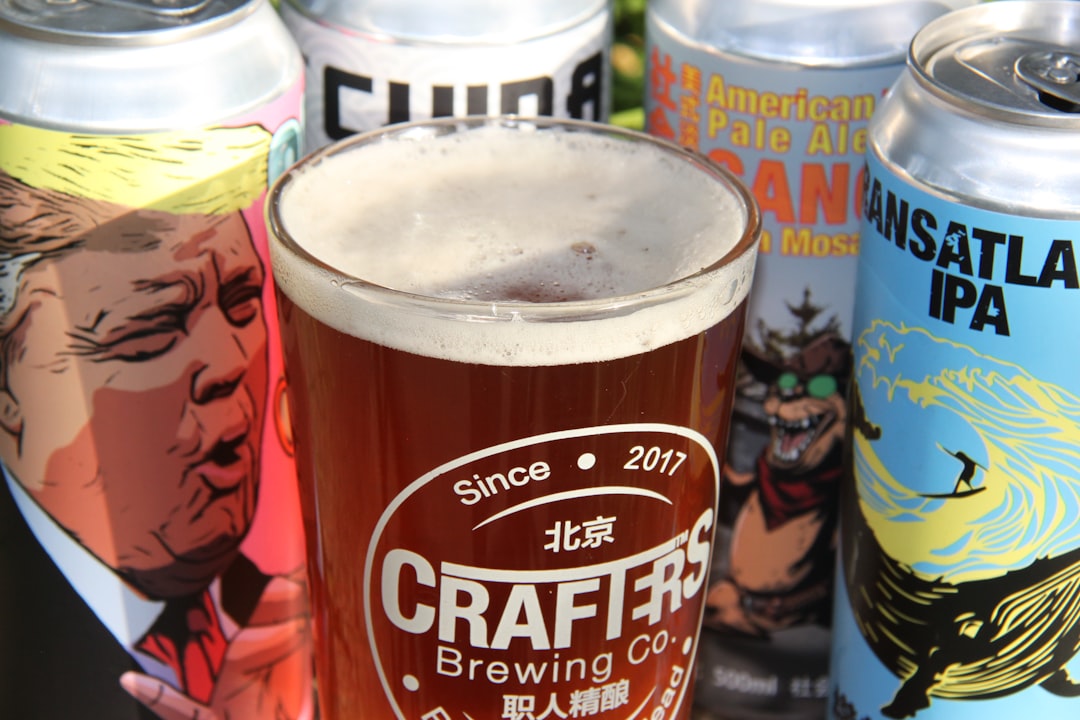
When the calendar flips to spring, breweries across North America begin teasing the season's most talked-about cans and bottles — the upcoming beer releases that make collectors and casual drinkers alike mark their calendars. For craft beer fans, staying ahead of the drop list isn’t just about getting rare bottles; it’s about catching new styles, tasting brewery experiments, and sharing fresh discoveries with friends.
Why Upcoming Beer Releases Matter
Upcoming beer releases are more than marketing noise. They drive trends, spotlight innovation, and give craft communities something to rally around. A single limited-edition release can reshape a brewery’s reputation, introduce a now-common technique (think dry-hopping or kettle souring), or push forward flavor boundaries with unusual adjuncts.
For the audience that follows these drops — often adults 21–45 with a taste for exploration — releases offer a way to experience the cutting edge of brewing without having to brew at home. They provide variety beyond staples, create collectible moments, and can even become conversation pieces at gatherings.
Types of Releases to Track
Not all releases are created equal. Knowing what to expect from different types helps prioritization when release days clash.
Seasonal Releases
These are the backbone of many breweries’ calendars: spring pilsners, summer Mexican lagers, autumn pumpkin ales, and winter spiced stouts. They’re predictable but often refined each year with small recipe tweaks.
Limited and Small-Batch Drops
Small-run beers — sometimes just a few barrels — are where brewers take risks. These can be barrel-aged stouts, fruited sours, or experimental IPAs. Expect scarcity and, occasionally, a waitlist.
Collaborations
When two breweries team up, the result is often a hybrid style or a playful twist that blends identities. Collaborations can draw fans from both breweries and sometimes reach national distribution.
Barrel-Aged Releases
Barrel-aged beers (bourbon, wine, rum, etc.) take months or years to produce and usually land as special releases. They fetch higher prices and are often bottled rather than canned.
Taproom-Only or Local Drops
Some releases stay in one taproom or region. These are especially prized by locals and travelers who chase “only here” flavors.
How to Track Upcoming Beer Releases Like a Pro
Following releases takes strategy. Enthusiasts often blend digital tools with old-school networking.
Digital Tools and Apps
- Untappd — Great for following breweries, tracking check-ins, and seeing what’s being released in real time.
- Social Media — Instagram and Twitter are launch platforms. Follow brewery pages, lead brewers, and local bottle shops for teasers and drop info.
- Brewery Websites and Newsletters — Many breweries announce release dates and reservation links via newsletters.
- Retailers — Local bottle shops and online stores (including Beer Republic) sometimes list upcoming beer releases on their sites or via email alerts.
Offline Tactics
- Taproom relationships — Regulars who chat with bartenders often get early whispers about limited cans.
- Meetups and clubs — Local beer clubs and tasting groups swap tips and coordinate share purchases.
Top Trends Shaping This Year’s Upcoming Beer Releases
Trends evolve, and upcoming beer releases reflect what brewers and drinkers are excited about. Here are trends that will show up in many drops:
The Quiet Rise of Low-ABV and Session Styles
Drinkers are asking for flavorful beers that don’t knock them out. Expect more well-crafted session IPAs, pale ales, and nuanced lagers in release schedules.
NEIPA Continues to Mature
Hazy, juicy IPAs remain popular, but brewers are refining bitterness balance, hop selection, and mouthfeel. Upcoming beer releases might emphasize transparency about hop profiles (Citra, Mosaic, Nelson Sauvin) and brewing technique.
Pastry and Dessert-Inspired Stouts — Carefully Curated
Pastry stouts saw a big wave of sugary excess; current releases tend to be more restrained, using quality adjuncts like real cacao nibs, single-origin coffee, or restrained lactose.
Fruited Sours with Better Fruit
Sour beer makers are investing in high-quality fruit and fermentation management. Expect sharper acidity and more integrated fruit character.
Heritage and Local Ingredients
Brewers are spotlighting local grains, unique yeast strains, and even wild foraged botanicals. These releases are often very regional and tell a story about place.
Sustainability-Forward Packaging
Some breweries are moving to recycled cans, lightweight glass, or refill programs. Sustainability-focused releases might highlight ingredients sourced from regenerative farms.
Regional Spotlights: What to Expect from US and Canadian Breweries
Different regions push different ideas. Here’s a snapshot of where releases are headed geographically.
Pacific Northwest
Known for hop-forward culture, the PNW will continue to release interesting hop experiments: single-hop showcases, mosaic blends, and hop varietal celebrations. Small-batch barrel-aged stouts also pop up often here.
California
Expect a broad range — from West Coast IPAs to innovative barrel programs. California breweries lean into collaboration culture, so cross-state or cross-discipline projects are common.
Midwest
Look for a strong showing of lagers and balanced ales, with a growing number of mixed-fermentation releases. Midwestern breweries are quietly making stunning barrel-aged and sour beers.
South & Southeast
Mexican-style lagers and light, crushable beers are growing, alongside honey and fruit-forward saisons that play well in warm climates.
Canada
Canadian breweries continue to impress with fruited sours, refined stouts, and creative adjuncts. Ontario and British Columbia lead in variety, while Quebec often surprises with bold farmhouse styles and wild-fermented bottles.
How to Plan for Release Day
Release days can be hectic. A plan keeps disappointment low and success high.
- Make a Release Calendar — Use a shared calendar or document to log the date, time, brewery, location, and whether it’s online or taproom-only.
- Set Alerts — Follow breweries and retailers on social media and enable notifications for posts and stories.
- Budget Ahead — Special releases can cost more. Decide how much to spend on single bottles vs. splurge items like barrel-aged stouts.
- Coordinate with Friends — Share orders or swap bottles to limit cost and expand variety. Splitting a four-pack across three people makes rare beers more accessible.
- Be Ready for Demand — For extremely limited drops, registration windows or queuing systems are common — sign up early and know the rules.
Buying Strategies: Snagging the Best Releases Without Losing Your Mind
Serious collectors have systems. Casual fans can borrow a few of those tricks without obsessing.
Preorders and Release-Day Drops
When possible, preorders remove the stress of release day. If a brewery or retailer offers preorders, they’re often the best path to guarantee a bottle.
Split Packs and Trading
Splitting packs with friends or trading duplicates helps tasting variety. This is a good way to try a highly hyped beer without committing to a whole six-pack.
Local vs. Online Purchasing
Taproom and local shop releases give immediate access and support the community. Online retailers can deliver more convenience and wider selection — for example, Beer Republic’s easy-to-use website and fast shipping make it a smart option for shoppers looking for top-rated American and Canadian craft beers right after release windows open.
Secondary Markets
Resale sites exist for extremely rare bottles, but prices can skyrocket. Buyers should verify authenticity and consider whether paying a premium is worth it.
Tasting New Releases Like an Insider
Tasting a freshly released beer is a ritual. Doing it thoughtfully paints a better flavor picture and helps drinkers decide if a beer is a keeper.
Before Opening
- Check the label for ABV, recommended glassware, and serving temp.
- Note the appearance in photos or previous reviews — was it hazy, clear, ruby?
At Pour
- Use a clean glass appropriate to style — tulip glasses for aromatic beers, pint or shaker for session ales.
- Observe color, head retention, and carbonation.
Smell, Sip, Reflect
- Take a generous sniff — hops, malt, fruit, wood, or funk should come forward.
- Take small sips to map sweetness, acidity, bitterness, body, and finish.
- Write quick notes for future reference — many fans maintain tasting logs on apps like Untappd or a personal notebook.
Share Notes
Offering tasting notes to friends or online communities helps contextualize a release. It can even steer other drinkers toward or away from a beer.
How Breweries and Retailers Communicate Releases
Understanding how announcements flow helps readers catch drops early.
- Teaser Campaigns — Social posts with cryptic photos or flavor hints build hype in the days before a release.
- Full Announcements — These list dates, times, quantities, and purchase rules. They often appear in newsletters and pinned social posts.
- Last-Minute Restocks — Occasionally, breweries will do surprise drops or restocks to reach more fans.
Etiquette and Responsible Release Chasing
Release day excitement can bring out bad behavior. A few etiquette notes keep the community healthy.
- Respect limits — If a brewery caps purchases per person to keep distribution fair, follow the rule.
- Don’t cut lines — Taprooms and bottle shops appreciate orderly crowds.
- Share the love — Not everyone can make a release. Consider buying extra for friends or community events when feasible.
- Drink responsibly — Rare beers are great, but moderation keeps the hobby sustainable.
Collecting vs. Enjoying: Finding the Balance
Some fans collect for investment or pride, others for the tasting experience. Both are valid, but a balance helps.
- Rotate cellars — Older barrel-aged beers can improve with time, but not all styles benefit from aging.
- Open some, save some — A few stashes for later and a few for now is a sensible approach.
- Document provenance — For collectors, keeping receipts, bottles caps, and storage notes matter for resale or personal records.
Homebrewers and New Releases: Inspiration and Learning
Upcoming beer releases often stimulate homebrewers. New hops, yeast strains, or adjunct ideas can seed a next batch.
Homebrewers can try scaled-down recipes of popular releases or riff on a flavor profile. Many brewers openly share technique tips at taproom events or via social channels, making learning collaborative.
How Beer Republic Fits Into the Release Ecosystem
Retailers like Beer Republic play an important role in connecting drinkers to upcoming beer releases. By curating a wide selection of top-rated American and Canadian craft beers, Beer Republic helps shoppers discover new drops they might otherwise miss. Features that matter to release chasers include:
- Curated collections that highlight seasonal and limited releases
- Fast shipping, which is crucial when trying to beat sell-outs
- An easy-to-use website that lets customers browse by style, region, or new arrivals
For someone who can’t attend a taproom release or prefers to shop online, Beer Republic’s inventory and quick delivery are practical assets when pursuing the latest can or bottle launches.
Practical Checklist: Before the Next Release Drops
- Follow the brewery, local shops, and a reliable online retailer on social media.
- Subscribe to newsletters for preorders and reservation links.
- Set a budget for limited releases versus everyday buys.
- Coordinate with friends to split packs and reduce costs.
- Keep tasting notes to compare multiple releases over time.
Case Studies: Recent Release Strategies That Worked
Learning from successful drops helps readers anticipate what works.
Timed Reservation Windows
Some breweries use timed windows for preorders, reducing chaos and rewarding newsletter subscribers. This increases fairness and gives local fans a fighting chance.
Collaborative Tasting Events
Breweries that pair a release with a taproom tasting or a collaboration dinner often create memorable experiences that extend a release beyond just a can sale.
Hybrid Online/Taproom Drops
Combining an on-site release with an online allotment balances local engagement and wider distribution, and many consumers appreciate the hybrid approach.
Future Watch: What Might Shape Upcoming Beer Releases Next Year
Looking ahead, a few forces could shape the next wave of releases:
- Ingredient scarcity or price shifts could spur more creative adjuncts and shorter-season beers.
- Advances in yeast research might produce new flavor families and fermentation profiles.
- Consumer demand for health-conscious options may accelerate releases of low-calorie, low-ABV, and functional beers.
- Packaging innovation and refill models could change how limited releases are sold and collected.
Conclusion
Tracking upcoming beer releases is part detective work, part community sport, and part celebration of craft. Whether someone chases a rare barrel-aged stout, a crisp seasonal lager, or the latest juicy NEIPA, an organized approach makes the process less stressful and more rewarding. Using apps like Untappd, following breweries and retailers, coordinating with friends, and choosing reliable online shops such as Beer Republic for fast shipping and curated selections can give fans a big advantage.
At the end of the day, the best release is one that’s enjoyed — with friends, with notes, and with an appreciation for the craft that went into it. Watch the calendars, set alerts, and be ready to taste something new. There’s always a next drop waiting to surprise and delight.
Frequently Asked Questions
How can someone find out about upcoming beer releases from small breweries?
Small breweries often announce releases on social media and in their email newsletters first. Following local taprooms, joining mailing lists, and visiting brewery websites are the best ways to catch small-batch drops. Building relationships with local bottle shops and attending taproom events also helps.
Are limited-release beers worth the extra cost?
It depends on the style and the drinker’s goals. Barrel-aged and small-batch beers often justify higher prices due to ingredient and aging costs. For collectors, rarity adds value; for casual drinkers, trying a single bottle or sharing with friends is a cost-effective way to experience the release.
What’s the best way to store beers bought on release day?
Store cans and bottles upright in a cool, dark place — ideally around 50–55°F for most beers, though many hop-forward beers are best enjoyed fresh and cold. Reserve refrigeration for beers intended to be consumed soon. Keep barrel-aged beers in a stable environment if aging is planned.
Can Beer Republic ship newly released beers across state or provincial lines?
Beer Republic offers fast shipping and a wide selection of American and Canadian craft beers, but shipping laws vary by state and province. Customers should check Beer Republic’s shipping policies and local regulations to confirm availability and legal delivery in their area.
How should someone decide whether to open a rare bottle now or cellar it?
Consider the beer style and personal curiosity. Many barrel-aged stouts and certain sour ales improve with age, while hoppy IPAs and many fruited beers are best enjoyed fresh. If in doubt, open one bottle now and cellar the rest to compare how flavors evolve.
